
Sober living in Orange County gives you a stable, peer-supported place to keep your recovery steady while you attend structured virtual care. At Higher Purpose Recovery, we focus on trauma-informed virtual IOP for mental health across California, and we help clients find supportive housing in Orange County so clinical care and daily structure stay connected. Homes vary in rules, oversight, and cost, so the right fit depends on your treatment plan and your goals.
Adults maintaining recovery who want structured, peer-based housing while attending virtual outpatient care.
Supportive, sober housing with routine and peer support. It is not clinical, residential, or inpatient treatment.
Daily structure and peer support help protect treatment gains during the return to work, school, and family life.
We provide trauma-informed virtual IOP and help match you to supportive housing in Orange County.
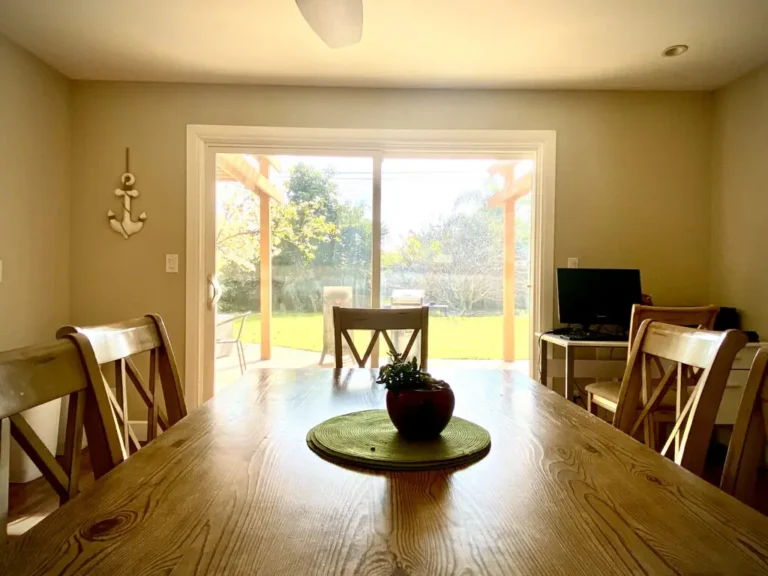
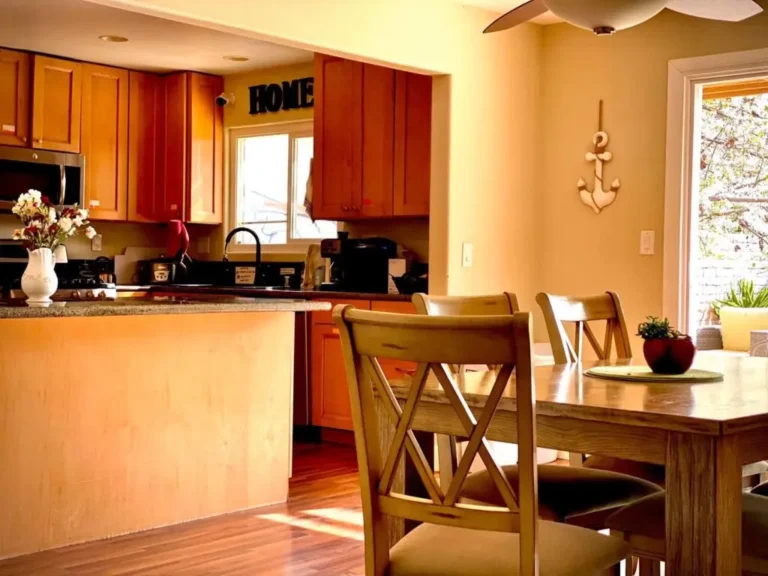

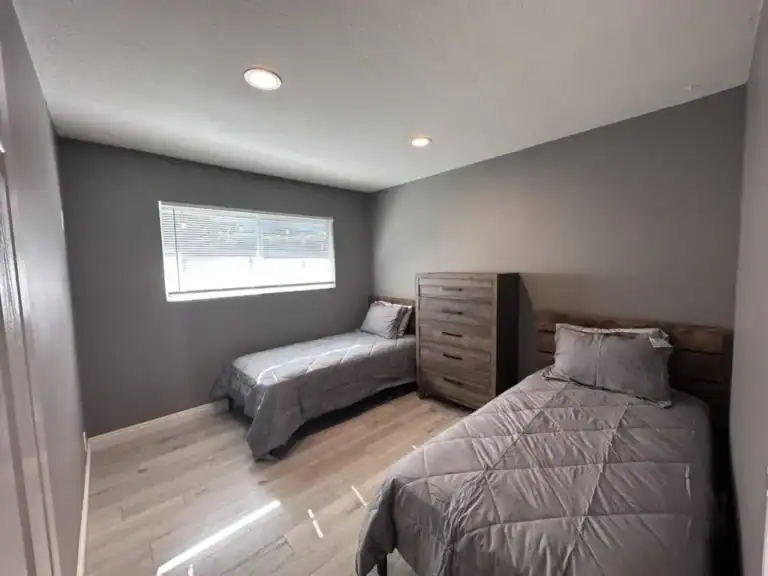
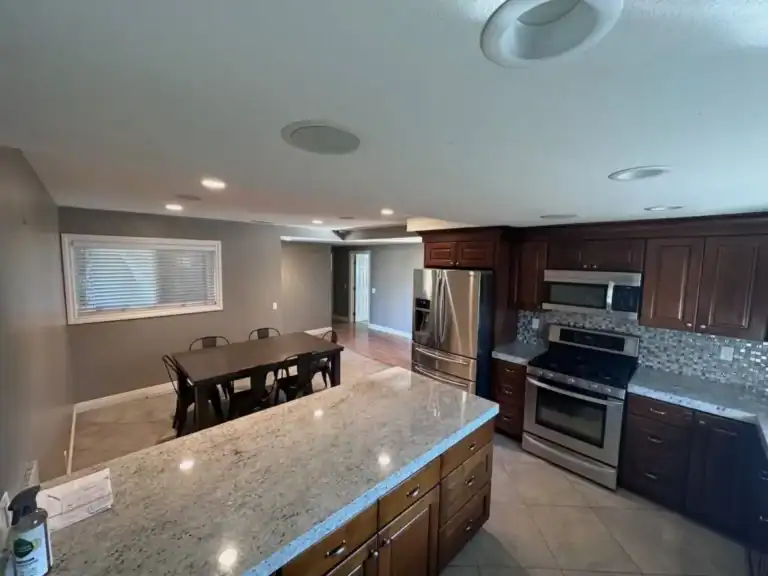

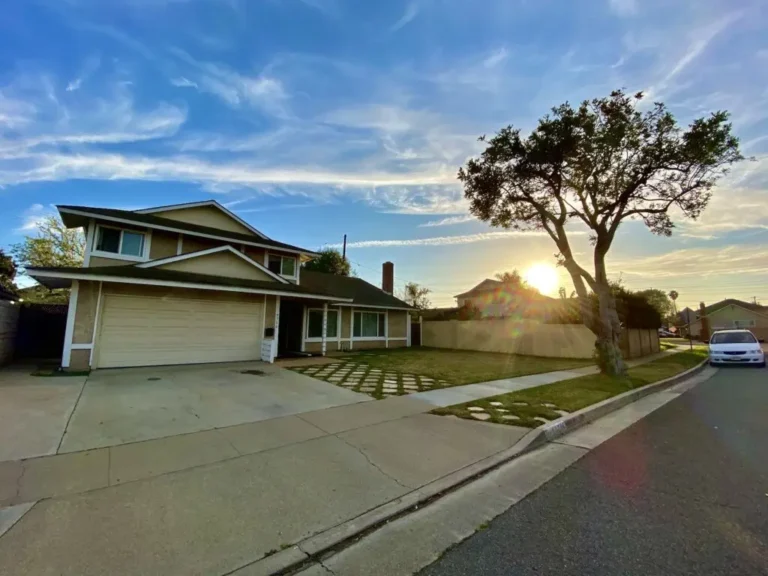
Sober living homes across Orange County range widely in structure, oversight, and amenities. Choosing well starts with understanding how much daily structure you want and how the home connects to your clinical care.
Both models support sobriety, and they differ mainly in oversight and accountability.
Homes differ in how they handle prescribed medications, so it helps to ask directly before you move in.
You can choose sober living that matches your identity and life circumstances.
Sober living helps you protect your treatment gains and rebuild daily routines with peer support and gradual independence. It gives you a safe, structured place to practice recovery while you return to work, school, or family life.
These situations often benefit from sober living:
You want a supported, structured setting while you attend a virtual outpatient program.
You are working or studying and need stable recovery housing that fits your schedule.
You are managing a co-occurring mental health condition such as anxiety, depression, or PTSD and want community and routine alongside care.
You want accountability, peer support, and a lower-stress environment as you build steadier long-term functioning.
Sober living provides recovery-focused housing and daily structure. Higher Purpose Recovery provides the clinical bridge through statewide virtual IOP and outpatient care for mental health and trauma, so your care stays consistent and convenient while you live locally in Orange County.
Our virtual programs are trauma-informed and therapist-led, delivered on a HIPAA-compliant platform so you can join from the comfort of home. We coordinate care around your housing and daily responsibilities, and we keep communication clear between your care team and your schedule.
Explore related programs
You can keep receiving structured, therapist-led care while living in an Orange County sober home, so your recovery stays connected to clinical support. We build care around house routines and your privacy preferences.
Secure video chat, scheduled around your week for consistent check-ins.
Peer support and skills-based groups, held online for shared accountability.
For PTSD and complex trauma, delivered by clinicians trained in trauma care.
Support groups that reinforce coping, daily structure, and steady routines.
Residents choose coordinated virtual care because it fits work, school, and house schedules; it is trauma-informed and therapist-led rather than casual teletherapy; and it runs on an insurance-friendly, HIPAA-compliant platform.
We keep the process private and focused on your recovery. Steps generally look like this:
A confidential phone conversation to understand your situation and immediate needs.
A simple intake with the documents the home requires, such as a photo ID and insurance information.
A brief clinical conversation to help match you to a home that fits your goals.
A signed placement agreement and a scheduled move-in.
A welcome and orientation that covers routines, supports, and house expectations.
Daily life centers on community, responsibility, and safety, with common expectations like quiet hours, shared chores, house meetings, and support for accountability.
A good sober living home keeps you safer and more stable when it follows clear oversight and written policies. Do a few quick checks before you commit.
Trust signals worth looking for include membership in recognized recovery-residence organizations such as CCAPP or NARR, documented staff training, and a clear medication policy. You can also check Orange County consumer protection and the county health agency for public complaint records.

Ready to see how supportive housing and virtual care can work together? Verify your insurance or call our admissions team, and we will help you find trauma-informed care and housing that fit your life.
Higher Purpose Recovery maintains a Corona del Mar office for local intake and support, and delivers most care virtually so you can join from anywhere in California.
Higher Purpose Recovery
2737 East Coast Hwy, Suite B, Corona Del Mar, CA 92625
Phone: 949-203-1297
We serve clients across Orange County, including Newport Beach, Costa Mesa, Huntington Beach, Irvine, and Westminster. All clinicians are licensed in California, and our virtual IOP operates statewide on a HIPAA-compliant platform.
Our clinicians use trauma-informed approaches for anxiety, depression, PTSD, and complex trauma.
You get virtual IOP anywhere in California plus supportive-housing help in Orange County.
We work with major providers and verify your benefits during intake.
You keep work, school, and family life while getting real clinical structure.
Accreditation ID #709594, a recognized standard of care quality.

Sober living in Orange County is most often paid out of pocket. Costs vary widely by room type, location, amenities, and length of stay, and coastal homes tend to sit at the higher end. Because published figures differ from home to home, treat any range you see as a rough guide and confirm current pricing directly with the home.
What tends to affect the monthly cost:
Insurance is generally applied to clinical care such as virtual IOP rather than to housing itself, and coverage is always plan-dependent. The fastest way to know what your plan covers is to verify your benefits.
Learn more and verify coverage
Posted on GoogleTrustindex verifies that the original source of the review is Google. Such a great program for those who are wanting real recovery as they enter back into real life. Amazing support from the comfort of your couch!!! Grateful for HPR!!!Posted on GoogleTrustindex verifies that the original source of the review is Google. As a therapist in this field, I’m selective about who I align myself with, and Higher Purpose Recovery is one of the few places that really stands out to me. Kosta and Wren are just genuinely good people: grounded, approachable, and clearly in this work for the right reasons. That authenticity comes through immediately and sets the tone for everything they do. No fake stuff, no ego, just genuinely down-to-earth and actually caring about the work they’re doing. You can feel it the second you talk to them. Their approach is thoughtful and evidence-based, personal, intentional, and deeply human, which is rare to find. You can tell how deeply they value both their clients and their team. It’s hard to find programs that are both ethical and effective, and Higher Purpose Recovery is one of them. I’d confidently refer clients here knowing they’re in capable and compassionate hands.Posted on GoogleTrustindex verifies that the original source of the review is Google. Higher Purpose Recovery is raising the standard for virtual IOP and structured sober living in Orange County. Their team genuinely understands the complexity of both mental health and substance use disorders, and it shows in how they support clients with structure, accountability, and compassion. What stands out most is their commitment to clinical integrity. This isn’t a surface-level program. They provide meaningful therapeutic support, consistent communication, and a recovery environment that feels both safe and empowering. Virtual services can sometimes feel impersonal, but Higher Purpose Recovery has built a program that maintains connection while giving clients flexibility. For individuals balancing work, family, or other responsibilities, that accessibility matters. If you’re looking for a program in Orange County that takes recovery seriously and operates with professionalism and heart, Higher Purpose Recovery is worth considering.Posted on GoogleTrustindex verifies that the original source of the review is Google. They did an amazing job for my friend who needed therapy for her mental health. They also provided a safe and supportive house for her to become completely independent so that she can support herself. I highly recommend.Posted on GoogleTrustindex verifies that the original source of the review is Google. I out a family member at Higher purpose recovery. After trying so many places he found his way with them. I haven’t seen him do this well ever. I am so grateful for higher purpose recovery. They really went above and beyond for my family!Posted on GoogleTrustindex verifies that the original source of the review is Google. This place is beautiful all around. The staff truly cares and was committed to bringing care and support to recovery. Highly recommend this place!!Posted on GoogleTrustindex verifies that the original source of the review is Google. Higher Purpose Recovery Was just what I needed, I just finishing treatment, 60 days in of being sober. I wasn’t quite ready to handle life. They Offered me EXTENDED CARE, supportive housing, doctor referral, group therapy and individual therapy for me along the way of rebuilding my life. I highly recommend them to anyone.Posted on GoogleTrustindex verifies that the original source of the review is Google. I really liked Higher Purpose Recovery and what they offer, Higher Purpose Recovery offers Group therapy and individual therapy and it’s exactly what I needed to help me get a tune up of my mental health, with full time work raising kids, they really reset my mental health. The blessings that come from higher purpose recovery is priceless.Posted on GoogleTrustindex verifies that the original source of the review is Google. Higher Purpose Recovery has helped me and I will forever be grateful for their compassion, commitment to help me when I needed it the most, they offered me supportive housing, which at the time I needed the accountability. I bonded with the other clients that were struggling with the same mental health issues I was having. Their therapist are top notch and I would recommend anyone to them for help.Posted on GoogleTrustindex verifies that the original source of the review is Google. What an absolute caring professional staff with solid solutions practical to apply in my life! I would recommend these services to my closest family and friends! What a difference they have made in my life.
No. Sober living is supportive, peer-based housing that helps you maintain sobriety and structure. It is not clinical, residential, or inpatient care. Clinical treatment, like virtual IOP, is separate and can run alongside your stay.
Yes. We help match clients to supportive housing in Orange County and pair it with our virtual outpatient care, so your housing and your clinical support work together.
Costs vary by home, room type, location, and length of stay, so it is best to confirm current pricing with the home directly. Our guide on sober living costs in California walks through what drives the price.
Insurance generally applies to clinical care such as virtual IOP rather than to housing, and coverage depends on your plan. Verify your benefits with us to see what applies to your situation.
Yes. Sober living is designed to help you keep daily responsibilities while you maintain recovery and attend structured virtual care.
Look for clear written policies, documented staffing and oversight, recognized recovery-residence membership, and a defined medication policy. Visiting and speaking with current residents helps too.
Policies vary by home. Some accept prescribed medications with documentation, and others have their own rules, so ask before you move in.
Verify your insurance online or call admissions at (949) 203-1297, and we will help match supportive housing to your care plan.
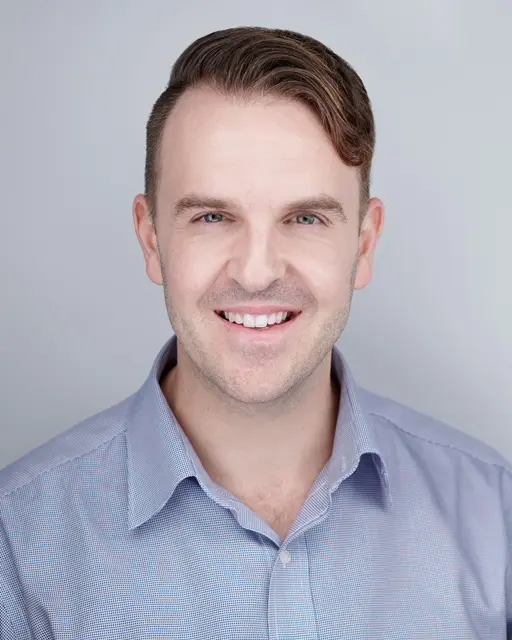
Kosta is a Licensed Marriage and Family Therapist that has worked with various populations in a range of inpatient and outpatient treatment environments in acute psychiatric care, substance abuse, primary mental health and co-occurring disorders. Kosta has extensive clinical leadership experience, managing multiple programs and clinical teams with up to 30 clinicians. Kosta’s experience has provided him with a knowledgeable understanding into the workings of residential and outpatient programs and the dynamic needs of the industry. Kosta is committed to providing clinicians with a work environment in which they can share their passion and express their creativity, as he believes this will lead to a standard of excellence in client care.
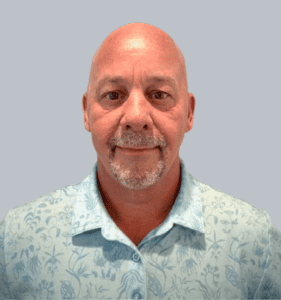
Clinically Reviewed By
Wren Goolsby, CADC-II
Last reviewed: September 2026
Wren Goolsby, a native Huntington Beach, CA, embodies a lifetime of leadership and dedication in the behavioral health field. His journey began with entrepreneurship, owning businesses ranging from valet services for restaurants to a distributing company delivering fresh produce to esteemed accounts…