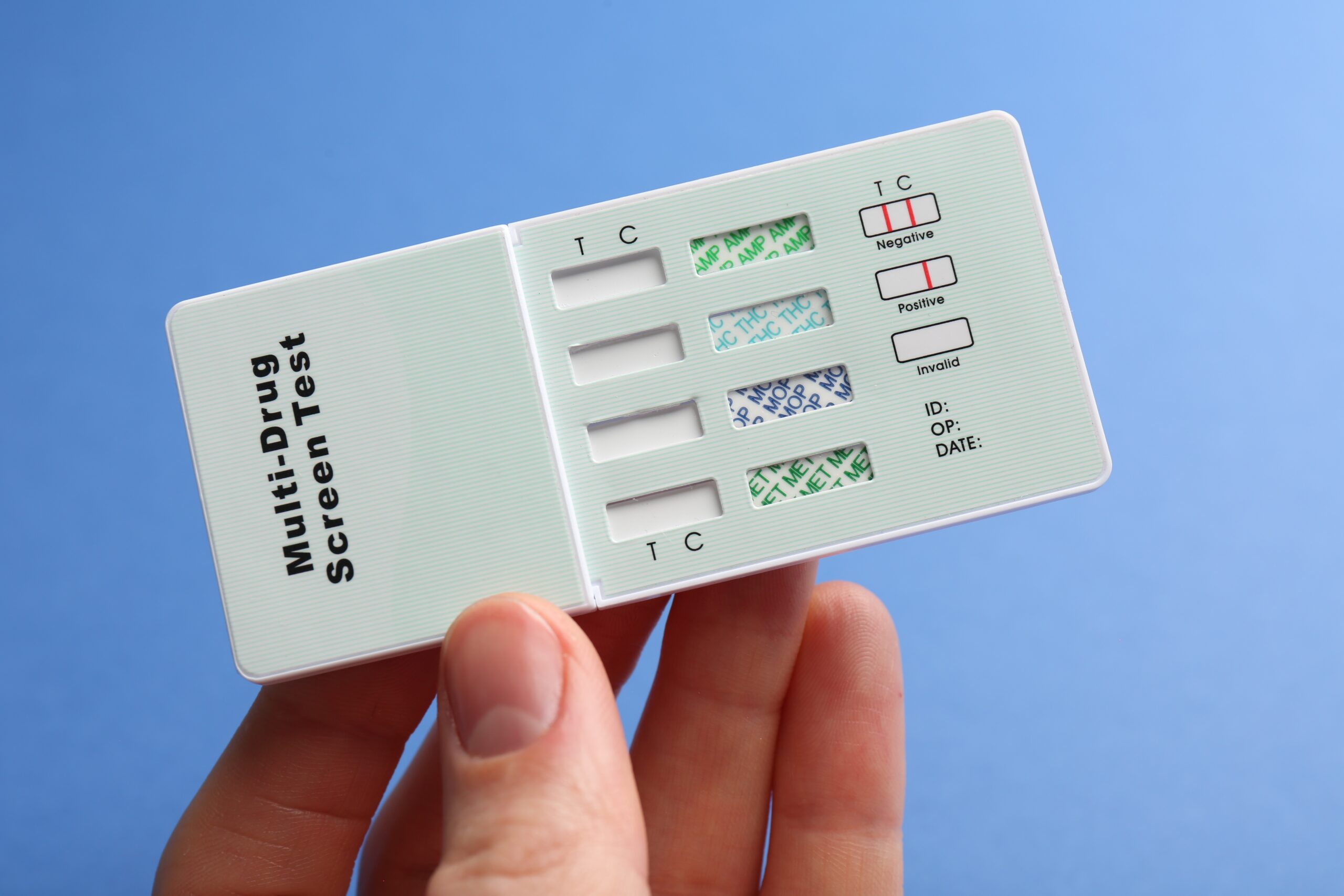


Intensive outpatient programs (IOPs) deliver structured clinical treatment for substance use and mental health conditions while allowing you to maintain work, school, and family responsibilities. IOP offers a middle path between weekly therapy and 24-hour residential care — typically 9 to 15 hours of group, individual, and family sessions per week, often with virtual options that remove geographic and scheduling barriers. For many adults in California, IOP is the level of care that finally makes treatment fit into real life.
Key Takeaways
- Clinical intensity without disruption: IOP delivers 9–15 hours of weekly treatment while you keep your job, classes, or caregiving role — most programs run 6–12 weeks total
- Comparable outcomes to residential care: Research summarized by SAMHSA’s TIP 47 and NIDA’s treatment principles show outpatient treatment produces outcomes similar to inpatient care for most patients who don’t require medical detox
- Lower cost than residential: IOP typically costs a fraction of inpatient treatment, and California’s Mental Health Parity Act requires most insurers to cover it comparably to medical care
- Real-world skill practice: You apply coping skills, communication tools, and relapse-prevention strategies in your actual environment between sessions — not in a controlled facility you’ll eventually leave
- Virtual access expands reach: Telehealth IOP removes commute, childcare, and stigma barriers, and California licensing now permits fully virtual outpatient delivery
- Strong fit for co-occurring conditions: IOP works well for trauma, anxiety, depression, eating disorders, and substance use occurring together — areas where integrated care matters more than location of care
Need a clinical recommendation on whether IOP is right for you? Call (949) 844-3813 to speak with our admissions team.
What Makes IOP Different From Other Levels of Care
The American Society of Addiction Medicine (ASAM) classifies IOP as Level 2.1 of care — more structured than weekly outpatient therapy but less restrictive than partial hospitalization or residential treatment. The distinction matters because matching intensity to clinical need is one of the strongest predictors of treatment success.
A standard IOP includes group therapy, individual sessions with a therapist, family programming, medication management when needed, and case management. Sessions usually run three to five days per week in three-hour blocks. Most programs last six to twelve weeks, though some clients step down from a higher level of care and others step up from weekly therapy.
What separates IOP from less intensive options is dose. Weekly therapy gives you one hour of clinical contact; IOP gives you nine to fifteen. That additional structure creates accountability, builds momentum, and lets clinicians address co-occurring conditions in parallel rather than serially.
If you’re weighing levels of care, our breakdown of IOP vs. outpatient programs walks through the clinical and practical differences in depth.
Top Benefits of Choosing IOP
1. You Keep Your Life Running
The single most cited benefit of IOP is that you don’t have to step away from work, school, or your family. Evening and morning session blocks let you treat your condition the way you’d treat any other chronic health issue — by integrating care into your existing schedule rather than disappearing for 30 to 90 days.
This matters clinically, not just logistically. People who maintain employment, education, and family roles during treatment often report higher self-efficacy and a clearer sense of identity outside the patient role, both of which support long-term recovery.
2. Real-World Skill Application
In residential treatment, you practice coping skills in a controlled environment. In IOP, you practice them in the environment that produced the problem in the first place — your home, your workplace, your relationships.
That difference is significant. The National Institute on Drug Abuse emphasizes that effective treatment must address the patient’s day-to-day functioning, not just the clinical symptoms. IOP forces that integration from day one. You’ll bring real situations into Wednesday’s group, get feedback, and try a different approach Thursday morning.
3. Lower Cost Than Residential
Residential treatment in California can run $15,000 to $40,000 or more per month. IOP typically costs a fraction of that, and California’s parity protections require most commercial insurers to cover it on par with medical and surgical benefits.
| Level of Care | Typical Weekly Hours | Duration | Relative Cost |
|---|---|---|---|
| Standard Outpatient (OP) | 1–2 hours | Ongoing | $ |
| Intensive Outpatient (IOP) | 9–15 hours | 6–12 weeks | $$ |
| Partial Hospitalization (PHP) | 20–30 hours | 2–6 weeks | $$$ |
| Residential / Inpatient | 24/7 | 30–90 days | $$$$ |
| Medical Detox | 24/7 | 3–10 days | $$$$ |
For a deeper look at coverage specifics, our guide on whether insurance covers IOP breaks down what most California plans include.
4. Strong Clinical Outcomes
The evidence base for IOP is substantial. SAMHSA’s clinical guidance (TIP 47) concludes that for patients who don’t need medically managed withdrawal, outpatient treatment produces outcomes comparable to inpatient care across abstinence, employment, and functional measures.
Not sure where to start? You can check what your insurance covers in a couple of minutes, with no obligation.
This holds for mental health conditions as well. Group-based IOP with evidence-based modalities — cognitive behavioral therapy, dialectical behavior therapy, and trauma-focused approaches — shows strong outcomes for depression, anxiety, and post-traumatic stress when delivered at adequate dose.
5. Virtual IOP Removes Access Barriers
California allows fully virtual outpatient delivery under current behavioral health licensing, and this has changed who can access treatment. A working parent in Bakersfield, a college student in Davis, or someone in a rural county without local IOP coverage can now join an evidence-based virtual IOP anywhere in California from a private space at home.
Virtual IOP also helps with three specific barriers: commute time, childcare logistics, and stigma. Our breakdown of what virtual IOP is and how it works covers the format in detail, and the benefits of telehealth services explores the broader research on remote care.
6. Integrated Care for Co-Occurring Conditions
Most people who enter IOP have more than one diagnosis. The National Institute of Mental Health reports that roughly half of people with a substance use disorder also have a mental health condition, and the reverse holds true.
IOP’s format suits this reality. The same week can address substance use in one group, trauma in another, family dynamics in a third, and medication adjustments in an individual session. Treating these in parallel — rather than referring out to separate providers — improves engagement and outcomes.
7. Built-In Peer Support
Group therapy is the structural backbone of IOP, and the peer relationships that form there often outlast the program itself. You’re in a room (or virtual room) with people facing the same diagnoses, the same triggers, the same family conversations. That recognition reduces isolation in a way individual therapy alone cannot replicate.
For populations who often feel unseen in mixed-group settings, identity-affirming IOP makes a measurable difference. Our supportive, affirming virtual IOP for LGBTQ+ individuals addresses why specialized group composition matters.
Who IOP Works Best For
IOP isn’t right for everyone. The clinical fit depends on stability, safety, and support — not just preference or convenience.
| Best Fit For IOP | May Need Higher Level of Care |
|---|---|
| Medically stable, no acute withdrawal risk | Active medical detox needs |
| Safe, sober living environment | Unsafe home environment or active using household |
| Some intrinsic motivation to engage | Imminent risk of harm to self or others |
| Co-occurring conditions that are clinically stable | Acute psychiatric crisis requiring 24/7 monitoring |
| Able to commit 9–15 hours weekly | Unable to maintain abstinence at lower levels of care |
| Strong outpatient support system | History of multiple failed outpatient attempts |
If you’re not sure where you fit, the signs you may need virtual outpatient care guide can help frame the decision.
IOP With Supportive Housing: A Stronger Foundation
For people whose home environment isn’t conducive to recovery — active substance use in the household, family conflict, housing instability — pairing IOP with sober living closes a gap that clinical treatment alone can’t address.
The combination matters because what happens between sessions is often what determines whether the treatment works. Returning home each night to a stable, recovery-aligned environment lets you actually use the skills you’re learning in group. Our IOP with supportive housing overview details how the two work together, and the PHP with supportive housing program offers a step-up option for those needing more clinical intensity.
IOP for Specific Populations and Conditions
The benefits of IOP aren’t generic — they show up differently depending on what you’re treating and who you are. Specialized tracks make the format more effective because they account for the specific clinical and social context.
Young adults often benefit from IOP because the schedule preserves school enrollment and the group composition matches their developmental stage. See virtual IOP for young adults.
Ready to talk it through? Our team can walk you through your options and what virtual care could look like around your schedule.
Eating disorders require integrated medical, nutritional, and behavioral care — a format IOP can deliver. Our virtual IOP for eating disorders covers the specific clinical model.
Trauma recovery benefits from the slower pace and continuity IOP provides. The clinical case for virtual IOP for trauma recovery explains why the outpatient setting often works better than residential for PTSD treatment.
Work burnout is increasingly treated the same way, with a track built for people whose exhaustion is rooted in their jobs. Our overview of outpatient care for professional burnout explains how the format addresses chronic work stress without forcing time away from the role that caused it.
Suicide prevention and stabilization is increasingly delivered through structured outpatient care. The framework for how virtual outpatient programs support suicide prevention addresses the safety planning and clinical monitoring that make this possible.
What to Look For When Choosing an IOP
Not all IOPs are clinically equivalent. The structure, staffing, and modalities matter. Use this checklist when evaluating programs:
- Licensing and accreditation: California-licensed program with current state credentials
- Evidence-based modalities: CBT, DBT, trauma-focused approaches, motivational interviewing
- Clinician credentials: Licensed therapists (LMFT, LCSW, LPCC, PsyD) leading groups, not unlicensed counselors alone
- Co-occurring capacity: Real psychiatric medication management, not just referrals out
- Family programming: Structured family sessions, not just visitor hours
- Aftercare planning: Concrete step-down plan from day one, not an afterthought at discharge
- Insurance verification: Transparent about what your plan covers before you commit
For more on what separates strong programs from weak ones, our guide to finding the right virtual IOP walks through the evaluation process in detail.
Frequently Asked Questions
How long does IOP last?
Most IOPs run six to twelve weeks, with three to five sessions per week. The exact length depends on your clinical progress, not a fixed calendar. Some clients step down to weekly outpatient therapy after IOP; others step up from a higher level of care and complete IOP as part of a continuum.
Can I work full-time while in IOP?
Yes — that’s a primary design feature. Evening and morning IOP blocks accommodate standard work schedules. Virtual IOP further reduces conflict by eliminating commute time. Many clients complete the entire program without missing a single workday.
Does insurance cover IOP?
Most commercial insurance plans in California cover IOP, and parity laws require coverage comparable to medical benefits. Coverage specifics vary by plan, so a verification of benefits before admission is essential. Our does insurance cover IOP guide covers the details.
Is virtual IOP as effective as in-person IOP?
Research on telehealth behavioral health care, including NIMH-summarized findings, shows outcomes comparable to in-person delivery for most populations. The format works particularly well for people who would otherwise face access barriers — geographic, scheduling, or stigma-related.
What’s the difference between IOP and PHP?
PHP (partial hospitalization) is more intensive than IOP — typically 20 to 30 hours per week versus 9 to 15. PHP suits people who need more clinical contact than IOP provides but don’t require 24-hour care. Many clients step down from PHP to IOP as they stabilize.
Can IOP treat both mental health and substance use?
Yes — most quality IOPs are dual-diagnosis programs that integrate care for co-occurring conditions. This is actually one of the format’s strengths, since treating both conditions in parallel produces better outcomes than treating them sequentially with separate providers.
Ready to See if IOP Fits Your Situation?
The benefits of IOP — clinical intensity without disruption, real-world skill practice, lower cost, strong outcomes, and integrated care — make it the right level for many adults in California. The harder question is whether it’s right for you specifically. That takes a clinical conversation, not a self-assessment.
Our admissions team can walk you through a clinical review, verify your insurance benefits, and recommend the level of care that matches your situation — including IOP, PHP, or our virtual outpatient programs more broadly.
Call (949) 844-3813 or contact us to start the conversation.
Clinically reviewed by Higher Purpose Recovery’s clinical team. This article is for informational purposes and does not constitute medical advice; treatment recommendations require a clinical assessment.