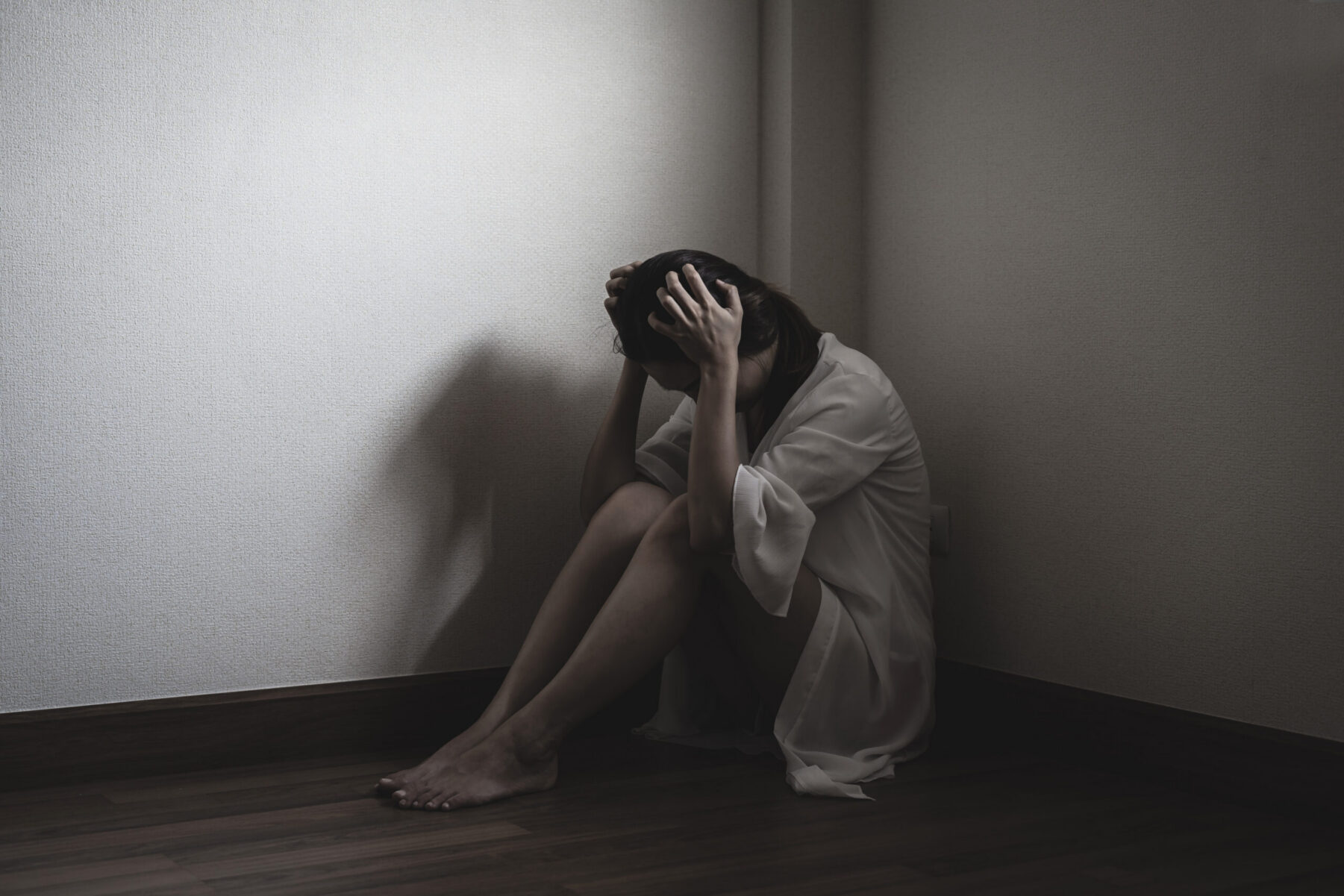
Recovery from addiction and mental health challenges requires more than just clinical treatment—it demands a stable, supportive environment where women can heal, grow, and build the foundation for lasting sobriety. Women’s sober living homes in Orange County, California provide that essential bridge between intensive treatment and independent living, offering a gender-specific space designed to meet the unique needs of women in early recovery.
At Higher Purpose Recovery, our La Roca women’s sober living home in Fountain Valley offers women a safe, structured, and compassionate environment where they can focus on their recovery goals while building the life skills necessary for long-term success. Located just two miles from the coast of Huntington Beach, our women’s home provides the perfect setting to establish accountability, develop healthy routines, and connect with a supportive community of women who understand the journey to sobriety.



Understanding Women’s Sober Living Homes
Sober living homes, also known as supportive housing or recovery residences, provide a substance-free living environment for individuals transitioning from treatment to independent living. According to the Substance Abuse and Mental Health Services Administration (SAMHSA), recovery housing plays a critical role in the continuum of care for individuals with substance use disorders, offering peer support and structure during the vulnerable early stages of recovery.
Women’s sober living homes specifically address the unique challenges that women face in recovery. Research published by the National Institute on Drug Abuse (NIDA) shows that women often experience different pathways to addiction, face distinct barriers to treatment, and benefit from gender-specific approaches that address trauma, family responsibilities, and social pressures.
Gender-specific sober living environments create a safe space where women can:
- Heal from trauma without the potential triggers or discomfort that can arise in co-ed facilities
- Address mental health concerns like anxiety, depression, and PTSD in a supportive environment
- Build meaningful connections with other women who understand their experiences
- Develop life skills and coping strategies without gender-based distractions
- Focus on personal growth and recovery goals with targeted support
The National Association of Recovery Residences (NARR) establishes standards for recovery housing across the country, ensuring that certified homes maintain appropriate structure, accountability, and support systems for residents in recovery.
Why Women Need Gender-Specific Recovery Housing
Women face unique challenges in addiction and recovery that are best addressed in gender-specific environments. The National Center on Addiction and Substance Abuse found that women are more likely than men to experience co-occurring mental health disorders, have histories of trauma or abuse, and face societal pressures related to caregiving responsibilities.
Trauma-Informed Care for Women
Research indicates that up to 90% of women in substance use treatment have experienced trauma, according to SAMHSA’s Trauma-Informed Care in Behavioral Health Services. Women’s sober living homes provide a trauma-informed environment where residents feel safe, respected, and empowered to heal from past experiences without fear of judgment or re-traumatization.
At Higher Purpose Recovery, we understand the profound connection between trauma and substance use. Our women’s sober living home complements trauma-informed virtual outpatient care, providing a stable foundation where women can process their experiences and develop healthy coping mechanisms.
Addressing Co-Occurring Mental Health Disorders
Women are significantly more likely to struggle with co-occurring mental health conditions alongside substance use disorders. The American Psychiatric Association reports that integrated treatment approaches addressing both addiction and mental health produce the best outcomes for women in recovery.
Women’s sober living homes in Orange County provide the structured support needed while residents participate in outpatient mental health treatment. Many women at our La Roca location continue their healing journey through virtual intensive outpatient programs, attending evening therapy sessions while living in a supportive, substance-free environment.
Building Supportive Sisterhood
The power of peer support cannot be overstated in women’s recovery. Studies published in the Journal of Substance Abuse Treatment demonstrate that women benefit significantly from connecting with other women who share similar experiences, creating bonds of understanding, accountability, and mutual support that extend beyond their time in sober living.
In a women-only environment, residents can share their stories without fear, celebrate victories together, and provide encouragement during challenging moments. This sisterhood becomes a powerful protective factor against relapse and a source of strength as women rebuild their lives.
Higher Purpose Recovery’s La Roca Women’s Sober Living Home
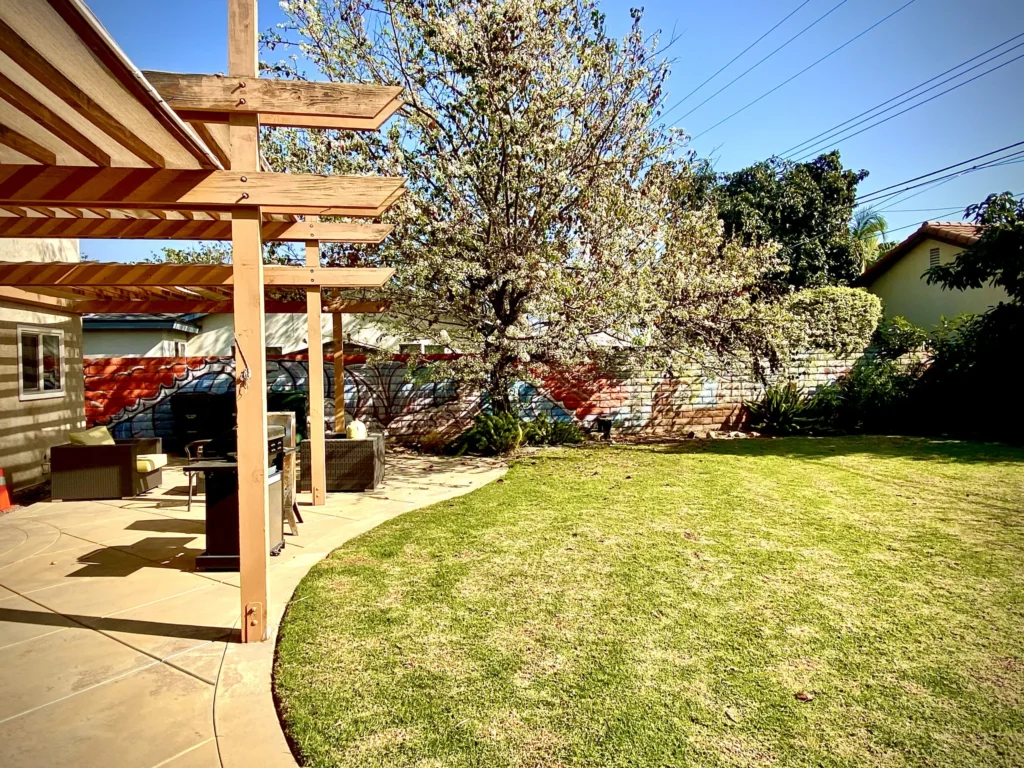
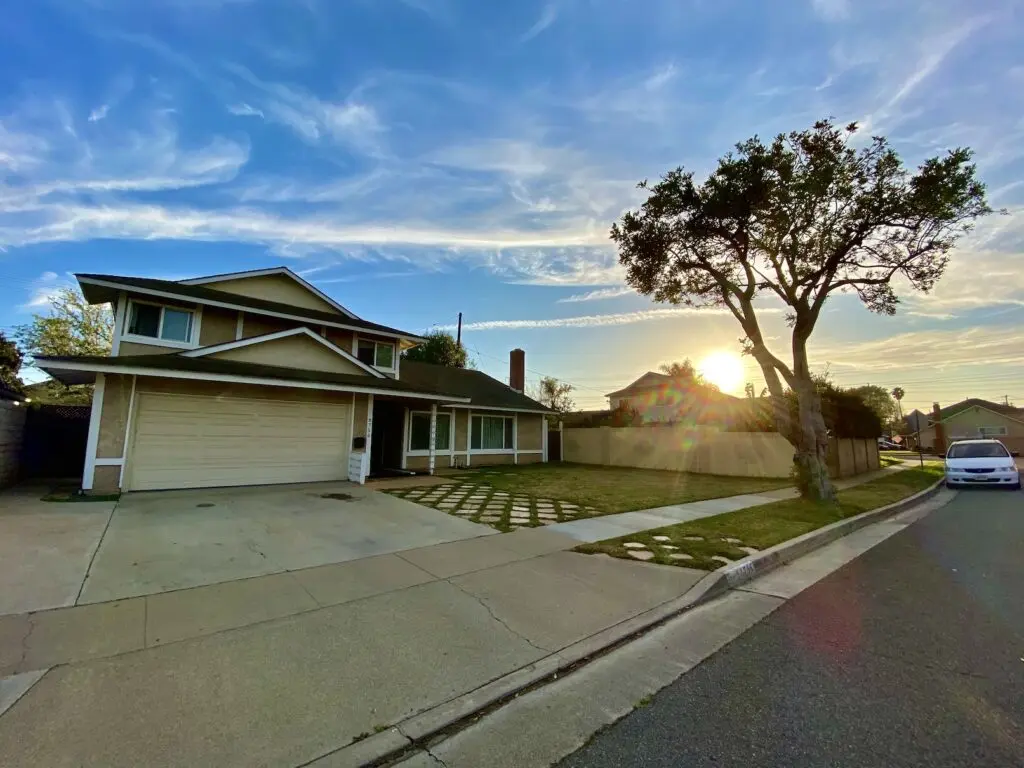
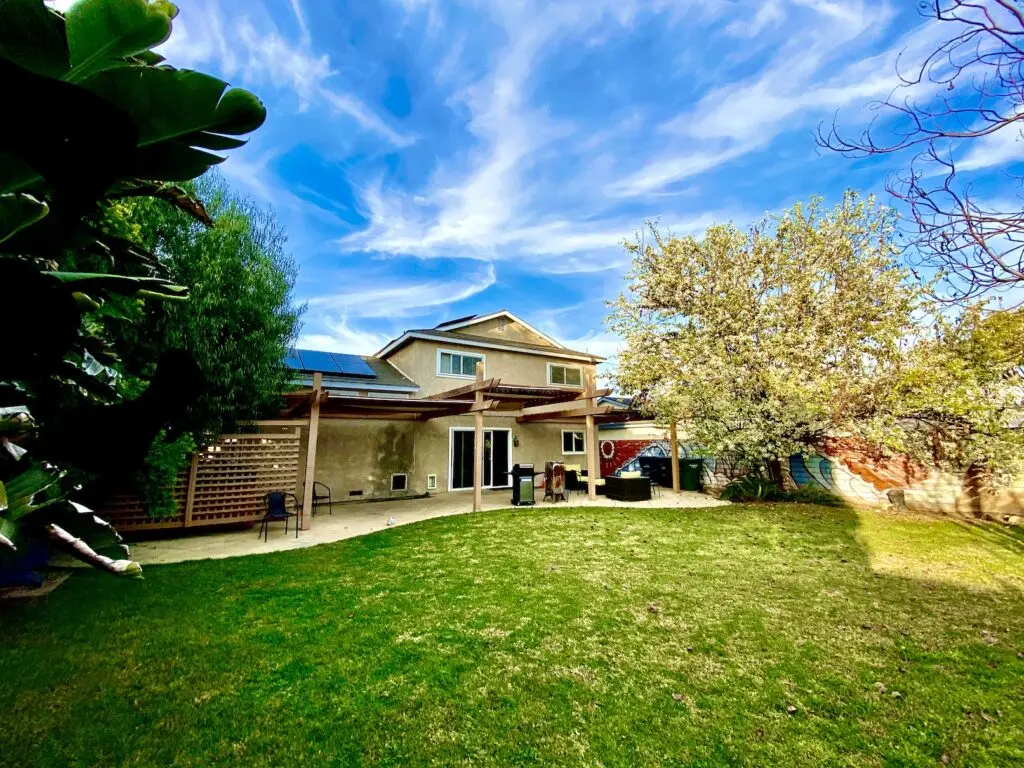
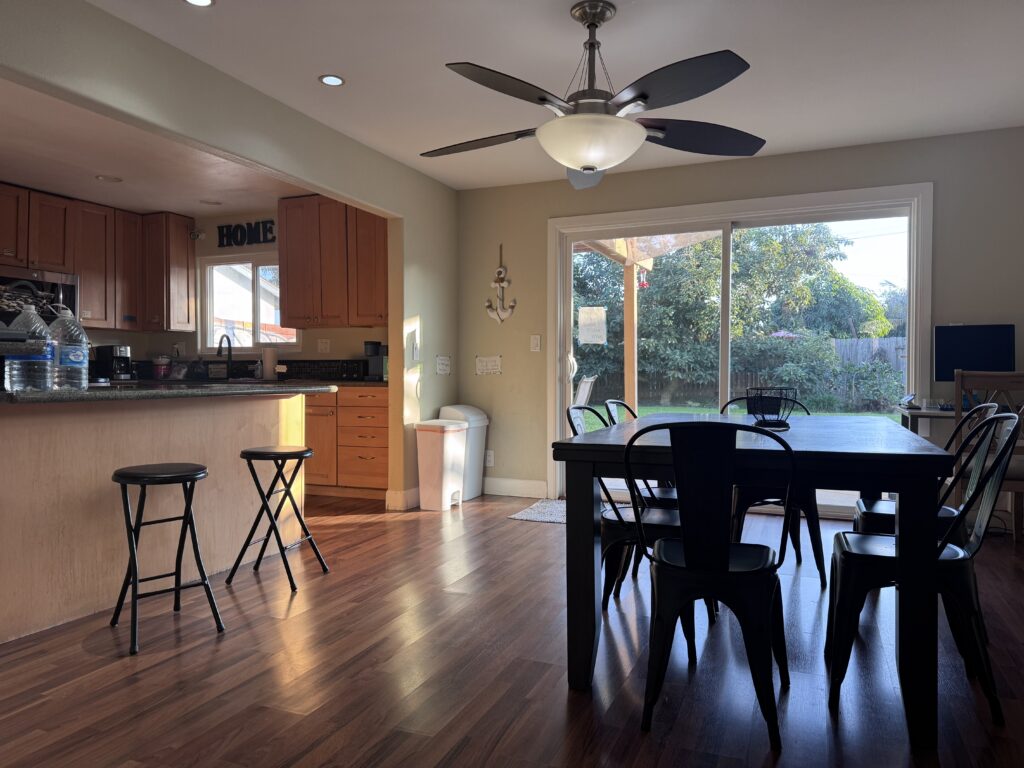
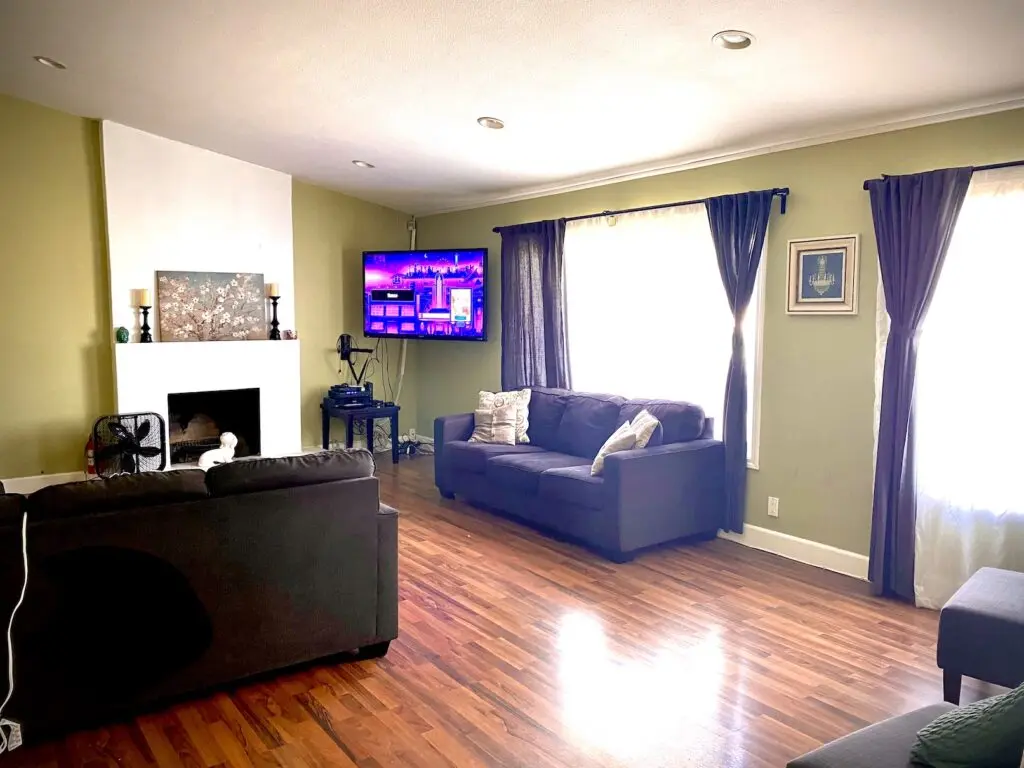
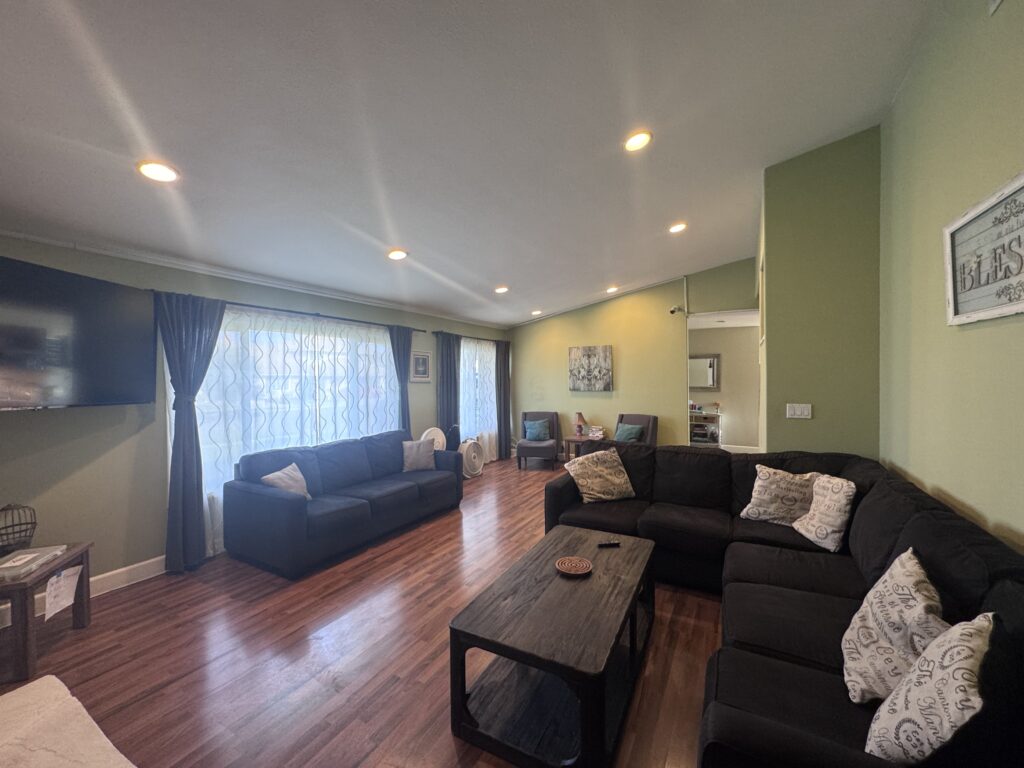
Our La Roca location in Fountain Valley offers women a comfortable, well-appointed home designed specifically to support their recovery journey. The house features a unique tri-level floor plan with five bedrooms, providing both communal spaces for connection and private areas for reflection and rest.
Home Features and Amenities
Higher Purpose Recovery’s women’s sober living home includes:
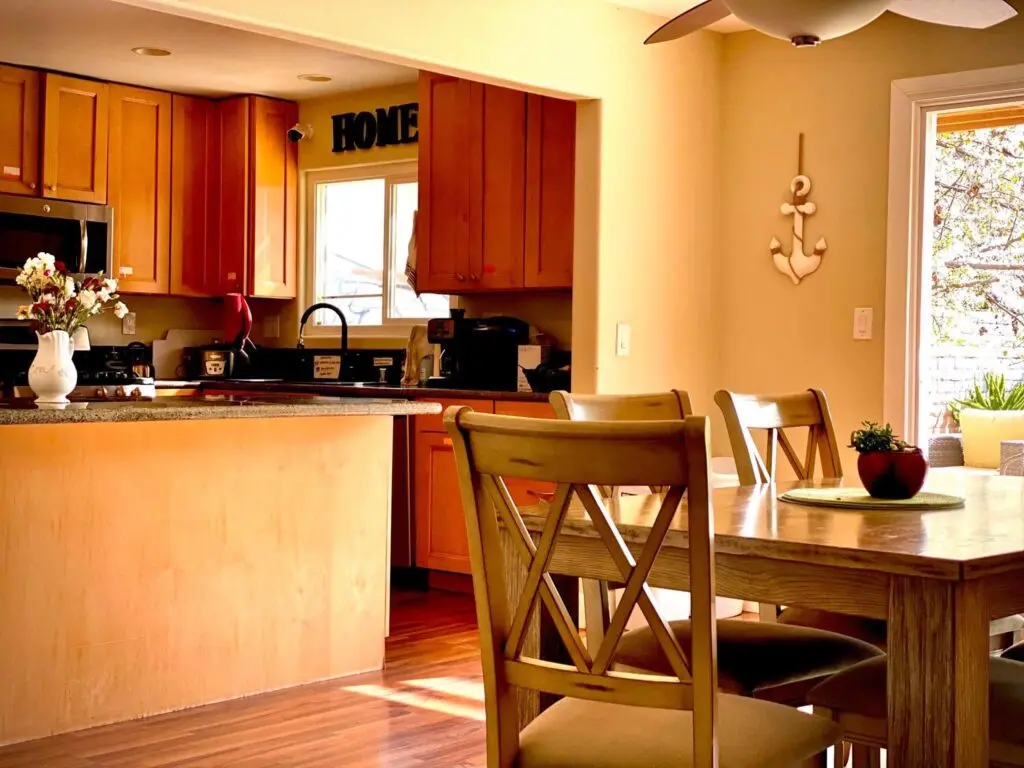
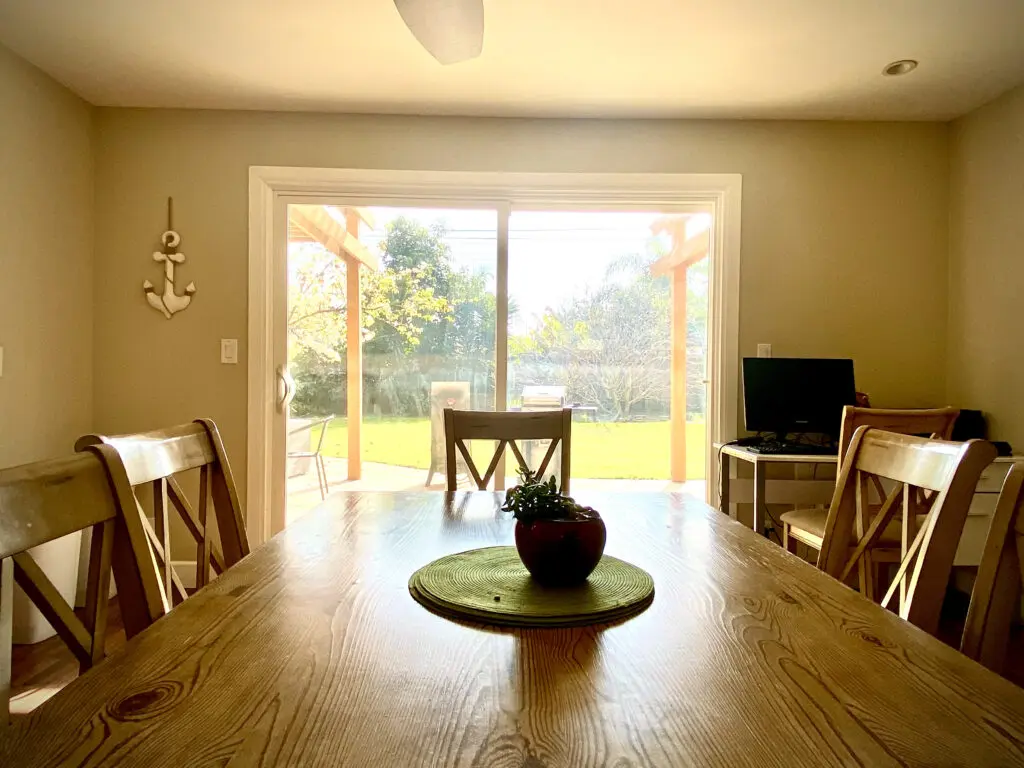
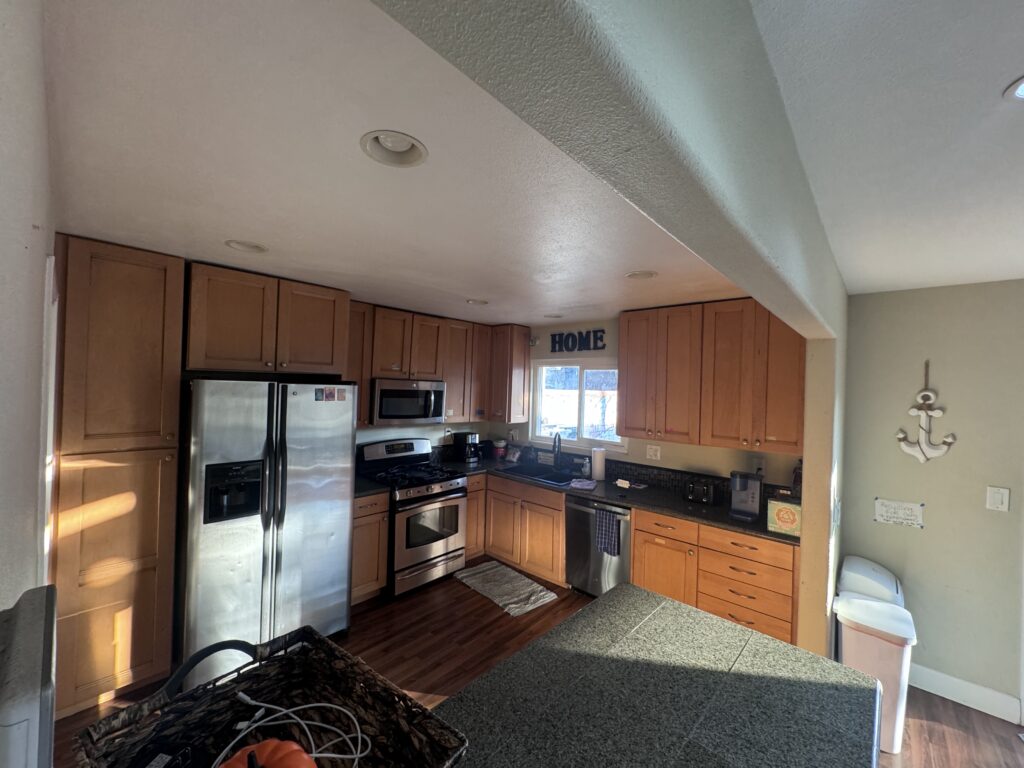
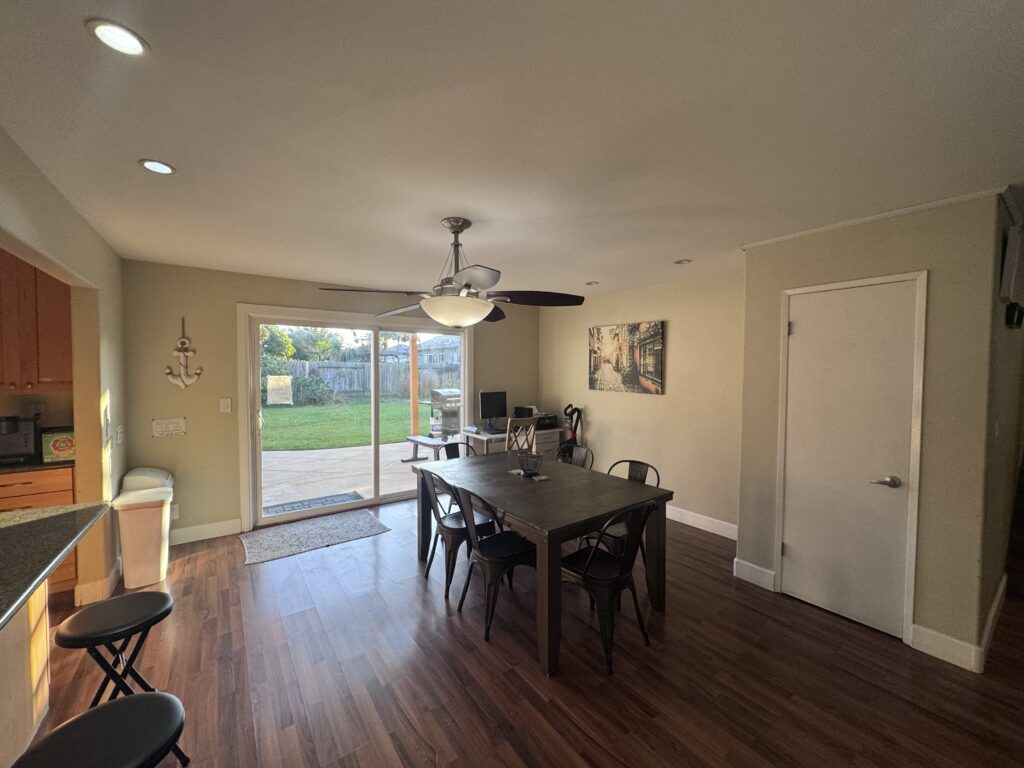
- Comfortable Living Spaces: Large living room with flat-screen TV, dining room, and breakfast bar with granite countertops
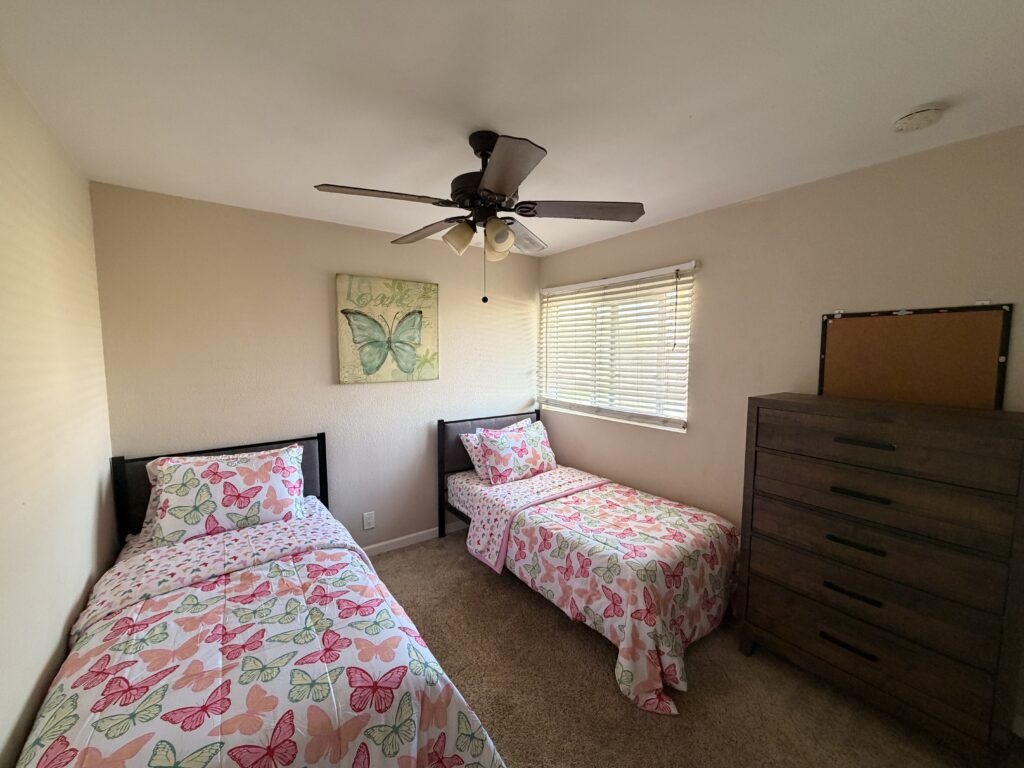
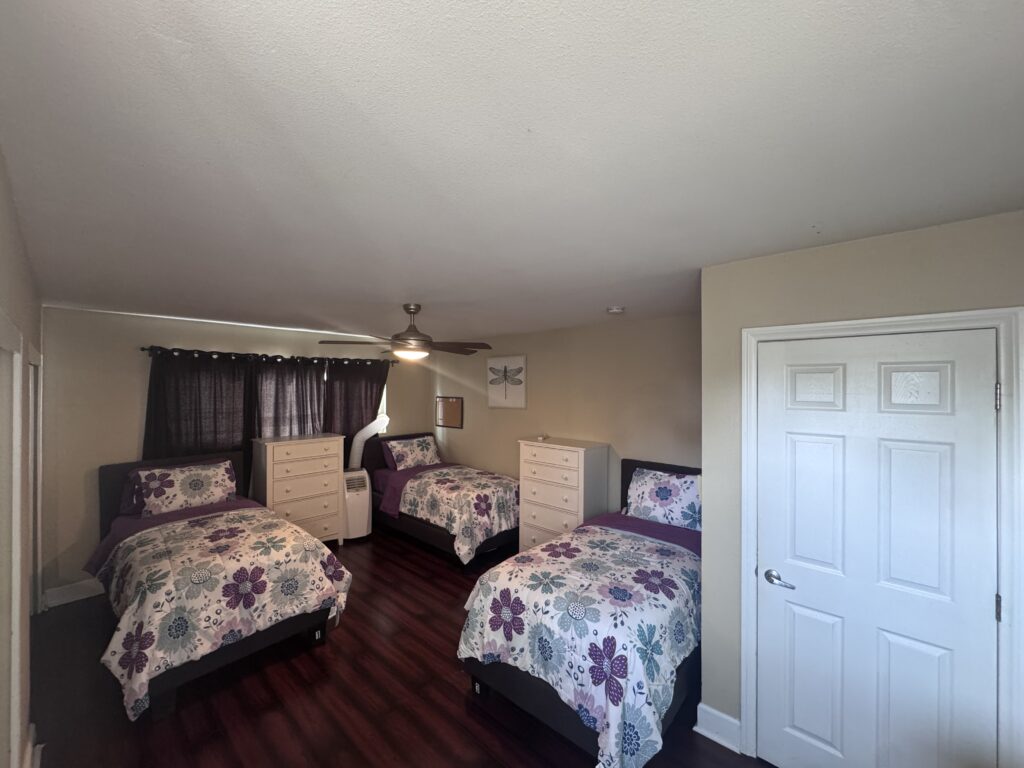
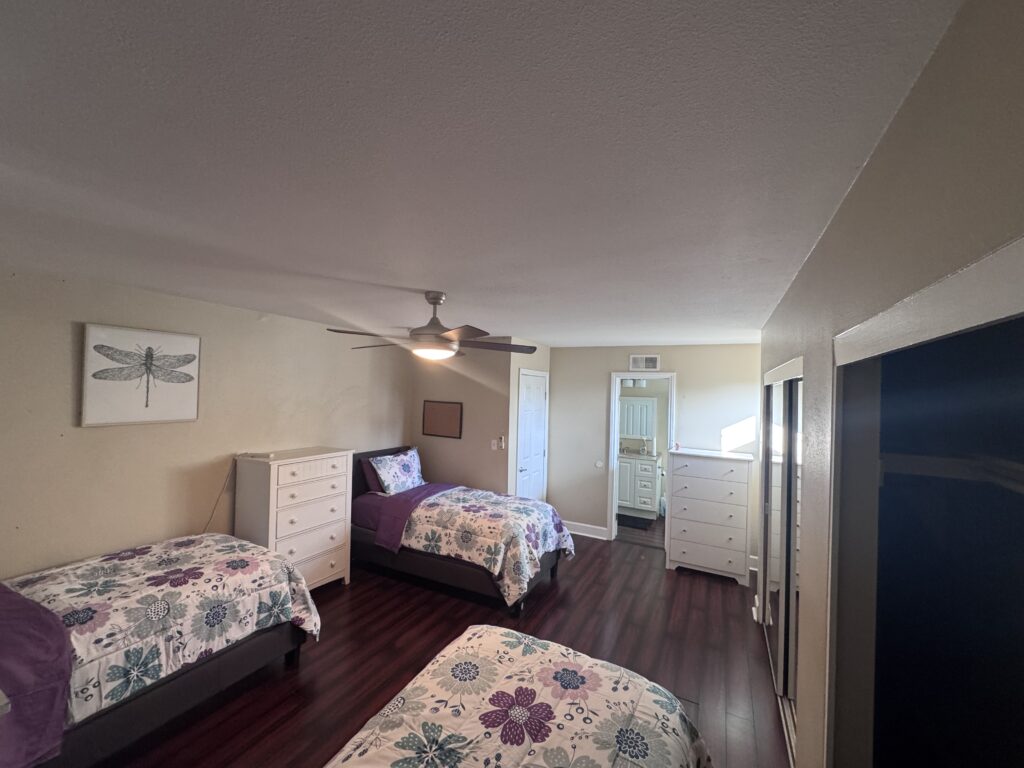
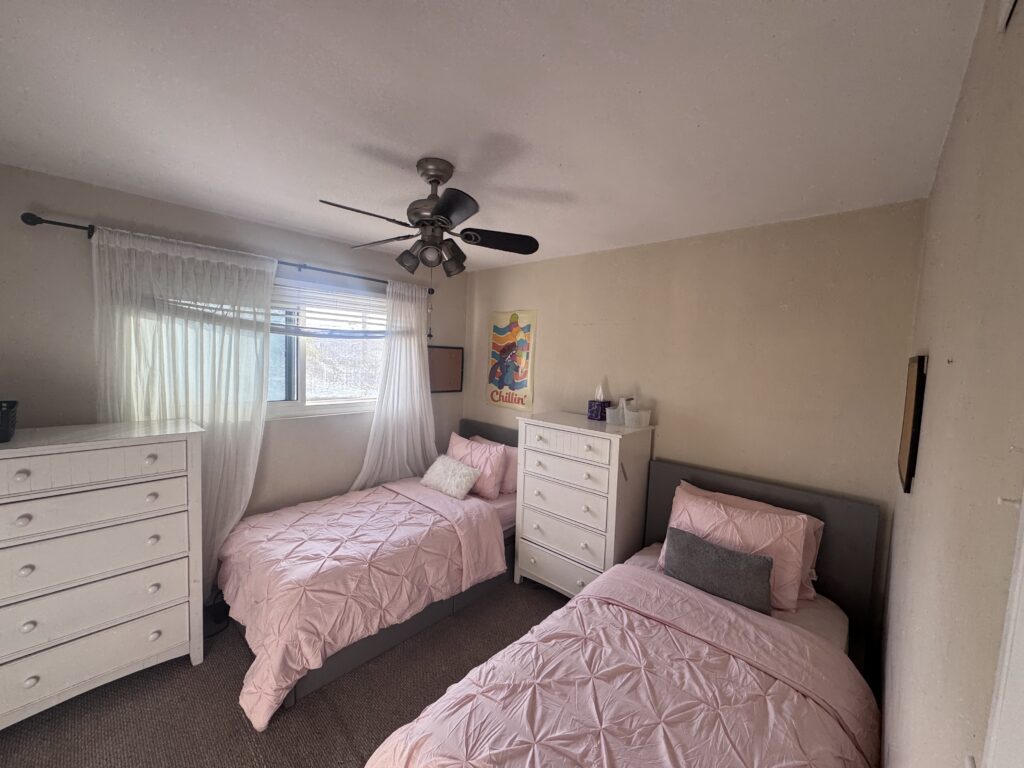
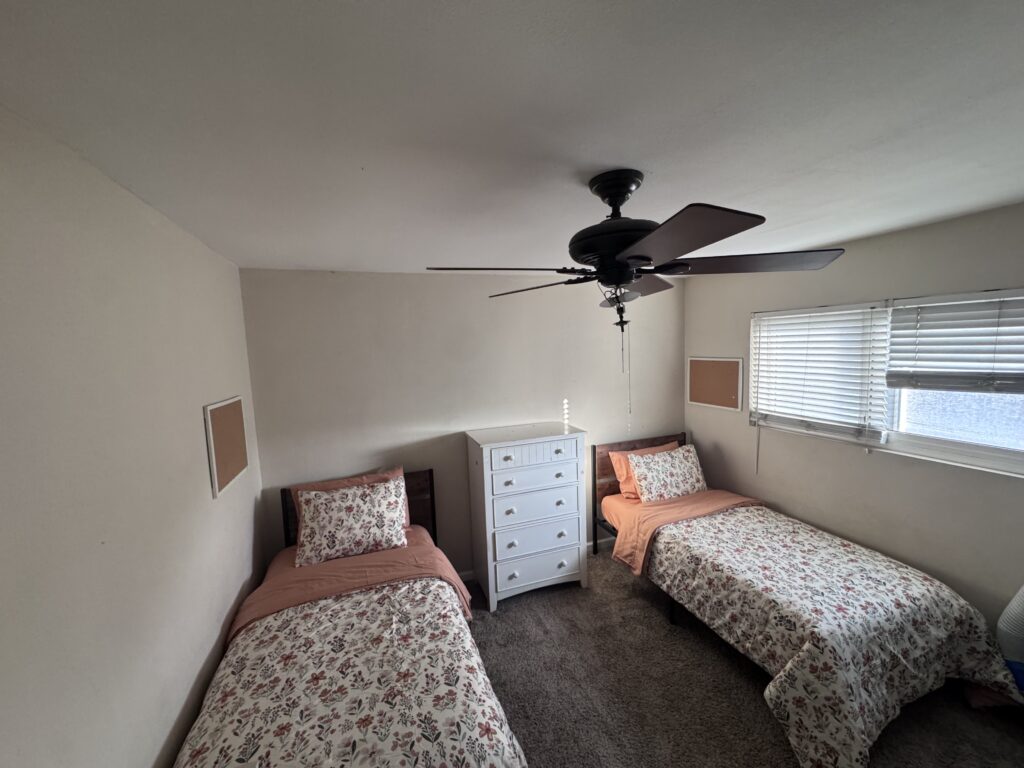
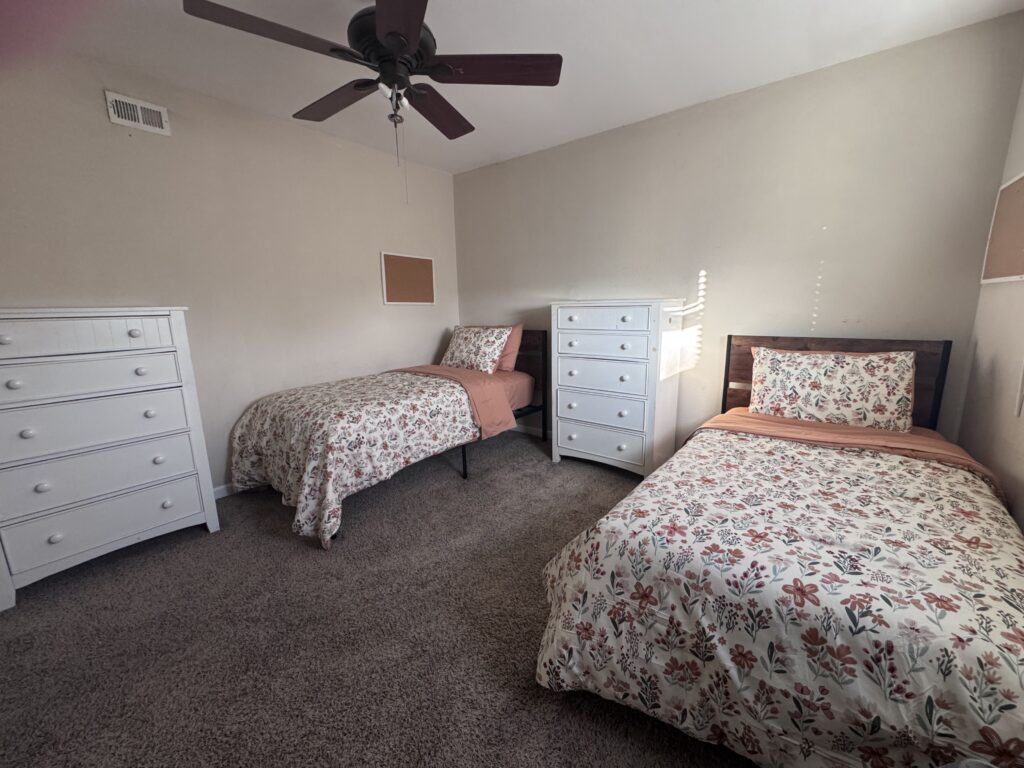
- Private Accommodations: Five bedrooms with two beds each, portable AC units for comfort, and ample personal space
- Modern Conveniences: Wood floors throughout, 2.5 bathrooms, three refrigerators, washer and dryer
- Outdoor Areas: Large backyard with Jacuzzi and barbecue for relaxation and social connection
- Technology Access: WiFi throughout the home, computer and printer for job searching and resume building
- Essential Supplies: Coffee, cream, sugar, laundry detergent, fabric softener, paper towels, toilet paper, and all cleaning products included
Prime Orange County Location
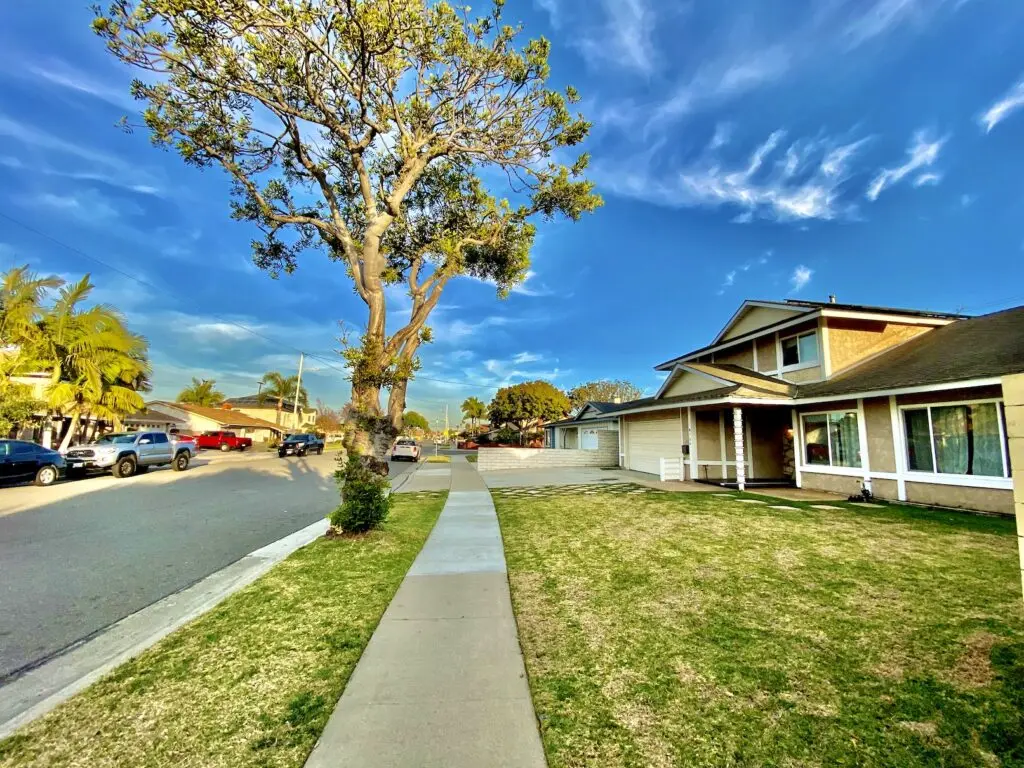
Located in a quiet Fountain Valley neighborhood with a public park nearby, our women’s home sits just two miles from the beautiful coast of Huntington Beach. This prime Orange County location offers easy access to:
- Employment opportunities throughout Orange County
- A.A. and N.A. meeting venues
- Public transportation
- Shopping and essential services
- Recreational activities and outdoor spaces
- Mental health treatment resources
The proximity to the beach provides residents with natural healing opportunities, whether through morning walks along the shore, sunset meditation, or simply enjoying the calming presence of the ocean—proven by research from the National Institutes of Health to reduce stress and support mental wellness.
Structure and Accountability in Women’s Recovery
Structure is essential in early recovery, providing the framework for developing healthy habits and routines that support long-term sobriety. Our women’s sober living home maintains clear expectations and accountability measures designed to help residents build the discipline and life skills necessary for independent living.
House Rules and Expectations
To maintain a safe, supportive environment for all residents, Higher Purpose Recovery requires:
- Complete Sobriety: Zero tolerance for alcohol and drug use
- Random Drug Testing: Regular urine analysis and nightly breathalyzer testing to ensure accountability
- Meeting Attendance: Active participation in 12-step or alternative recovery programs
- House Meetings: Mandatory weekly meetings every Sunday at 10:00 AM for community connection and issue resolution
- Curfew Requirements: Sunday through Thursday at 11:00 PM (lights out 11:30 PM); Friday and Saturday at midnight (lights out 12:30 AM)
- Weekly Chores: Shared responsibility for maintaining a clean, organized home environment
- Productive Activities: Employment, education, volunteering, or participation in outpatient treatment programs
These structured guidelines aren’t punitive—they’re designed to help women develop the accountability, time management, and personal responsibility that form the foundation of lasting recovery.
The Importance of Accountability
Research from the National Institute on Alcohol Abuse and Alcoholism demonstrates that accountability measures significantly improve treatment outcomes and reduce relapse rates. In a sober living environment, accountability comes from multiple sources:
- Regular drug and alcohol testing provides objective verification of sobriety
- House managers and peer coordinators offer daily support and oversight
- Fellow residents create a culture of mutual accountability
- Structured schedules help residents develop healthy routines
- Weekly house meetings provide opportunities to address concerns and celebrate progress
For many women, this level of structure and accountability represents a dramatic shift from the chaos of active addiction. Learning to embrace these expectations becomes a powerful tool for building self-discipline and confidence.
Integrating Sober Living with Comprehensive Treatment
Sober living homes work best when integrated with comprehensive addiction treatment and mental health care. According to SAMHSA’s Treatment Improvement Protocols, individuals who participate in continuing care—including recovery housing—show significantly better outcomes than those who return directly to unsupported environments after treatment.
Combining Sober Living with Virtual IOP
Many women at Higher Purpose Recovery’s sober living home participate in evening virtual intensive outpatient programs, creating a comprehensive approach to recovery that addresses both the practical and clinical aspects of healing.
Virtual IOP offers several advantages for women in sober living:
- Flexible Scheduling: Evening sessions (Monday through Thursday) allow residents to work or attend school during the day
- Trauma-Informed Approach: Specialized programming addresses the trauma histories common among women with substance use disorders
- Mental Health Integration: Treatment for co-occurring conditions like anxiety, depression, bipolar disorder, and borderline personality disorder
- Continuity of Care: Seamless integration between housing and treatment supports
- Privacy and Accessibility: Attend therapy from the comfort and safety of your sober living home
This integrated model addresses what the American Society of Addiction Medicine identifies as essential components of effective addiction treatment: addressing multiple life domains while providing appropriate levels of support and structure.
Building Life Skills for Independence
Beyond maintaining sobriety, women’s sober living homes help residents develop the practical life skills necessary for independent living. This includes:
- Financial Management: Budgeting, paying bills on time, and building financial stability
- Employment Skills: Job searching, resume building, interviewing, and maintaining employment
- Healthy Relationships: Setting boundaries, communicating effectively, and choosing supportive friendships
- Self-Care Practices: Establishing routines for physical health, emotional wellness, and stress management
- Conflict Resolution: Addressing disagreements constructively and advocating for personal needs
- Time Management: Balancing multiple responsibilities while prioritizing recovery activities
These skills, practiced daily in a supportive environment, become the building blocks for a successful, independent life in recovery.
The Recovery Community in Orange County
Orange County offers a vibrant, supportive recovery community with abundant resources for women building new lives in sobriety. From the beaches of Huntington Beach to the neighborhoods of Fountain Valley, women in recovery find fellowship, support, and opportunities for growth throughout the region.
12-Step and Alternative Recovery Programs
The area hosts numerous recovery meetings and support groups, including:
- Alcoholics Anonymous (A.A.) meetings specifically for women
- Narcotics Anonymous (N.A.) groups throughout Orange County
- Smart Recovery and other evidence-based alternatives
- Young people’s meetings for those in early adulthood
- Spiritual and secular recovery options to match individual preferences
Regular meeting attendance, encouraged at Higher Purpose Recovery, connects women with a broader recovery community that extends support beyond the walls of the sober living home.
Orange County Resources and Activities
Living in Orange County provides women in recovery with access to healthy, fulfilling activities that support wellness and personal growth:
- Beach and Ocean Activities: Surfing, swimming, walking, and beach yoga
- Parks and Recreation: Mile Square Park, public trails, and community centers
- Cultural Experiences: Museums, theaters, and community events
- Educational Opportunities: Community colleges and vocational training programs
- Volunteer Work: Giving back to the community while building purpose and connection
- Employment Opportunities: Diverse job market across multiple industries
Engaging with the local community helps women build a life worth protecting—one of the most powerful motivators for maintaining long-term sobriety.
Who Benefits from Women’s Sober Living in Orange County?
Women’s sober living homes serve a diverse population of individuals at various stages of their recovery journey. While each woman’s story is unique, certain groups particularly benefit from gender-specific supportive housing:
Women Completing Residential Treatment
After intensive residential or inpatient treatment, returning directly home can feel overwhelming. Women’s sober living provides a gradual transition, allowing residents to practice recovery skills in a real-world setting while maintaining structure and support.
Young Women Building Independent Lives
Young adults in recovery often need guidance establishing independence while avoiding old patterns and peer groups. Sober living offers age-appropriate support, helping young women develop life skills alongside recovery practices.
Women with Co-Occurring Disorders
Those managing both substance use and mental health conditions benefit from the stability and routine of sober living while participating in comprehensive mental health treatment. The consistent environment reduces stress and supports symptom management.
Women Rebuilding After Trauma
Survivors of trauma need safe, predictable environments to heal. Women’s sober living homes provide trauma-informed support without triggering reminders of past abuse or violence.
Women Seeking Community and Connection
Isolation fuels addiction and mental health struggles. Women who need supportive relationships with others who understand their experiences find invaluable connection in gender-specific sober living environments.
Women Transitioning from Homelessness
Stable housing is a fundamental need in recovery. Women experiencing housing insecurity can focus on healing and rebuilding when they have a safe, substance-free place to call home.
Frequently Asked Questions About Women’s Sober Living
What’s the difference between sober living and residential treatment?
Residential treatment provides intensive clinical care in a highly structured environment, typically with 24/7 medical and therapeutic support. Sober living homes offer supportive housing with structure and accountability but focus more on independent living skills and real-world application of recovery principles. Many women transition from residential treatment to sober living as a step-down level of care.
How long do women typically stay in sober living?
Length of stay varies based on individual needs and goals. Some women stay for a few months while establishing stability, while others remain for six months to a year or longer. Research suggests that longer stays in recovery housing correlate with better long-term outcomes. At Higher Purpose Recovery, we work with each resident to determine the appropriate length of stay for her individual circumstances.
Can I work or go to school while living in sober living?
Absolutely. In fact, productive activity is encouraged and often required. Employment, education, volunteering, or participation in outpatient treatment programs helps residents build structure, purpose, and self-sufficiency. Our location in Fountain Valley provides easy access to job opportunities, educational institutions, and public transportation throughout Orange County.
What if I relapse while in sober living?
Relapse is always a possibility in recovery, though our structure and accountability measures significantly reduce this risk. If a resident uses substances, she may be required to leave the home or complete additional treatment before returning, depending on individual circumstances. The goal is maintaining a safe, substance-free environment for all residents while supporting each person’s recovery journey.
Do you accept insurance for sober living?
Sober living itself is typically not covered by insurance, as it’s considered supportive housing rather than clinical treatment. However, many residents participate in virtual outpatient treatment that may be covered by insurance while paying privately for sober living housing costs. Contact us to discuss payment options and affordability.
Is sober living the same for everyone?
No. Recovery housing exists at different levels of structure and support. Higher Purpose Recovery maintains clear expectations around sobriety, meeting attendance, curfews, and productive activity, creating a structured environment appropriate for early recovery. Some sober living homes have fewer requirements, while others provide even more intensive support. We help each woman find the right fit for her needs.
Can I have visitors or leave the house?
Yes, within the structure of house rules. Residents can leave for work, school, meetings, appointments, and appropriate recreational activities. Visitor policies are designed to maintain the safety and privacy of all residents while allowing important connections with supportive family and friends. Specific guidelines are explained during the intake process.
What makes Higher Purpose Recovery different?
Our founder, Wren, brings personal experience of recovery to everything we do. Having experienced the transformative power of supportive sober living himself, he created Higher Purpose Recovery to provide the same compassion, accountability, and encouragement that changed his life. Our homes emphasize community, accountability, and a belief that recovery is possible for everyone willing to do the work.
Taking the First Step: Contacting Higher Purpose Recovery
If you or a woman you love is struggling with addiction, mental health challenges, or both, women’s sober living in Orange County can provide the supportive foundation needed for lasting recovery. At Higher Purpose Recovery, we understand that reaching out for help takes courage—and we’re here to make that process as comfortable as possible.
What to Expect When You Contact Us
When you reach out to Higher Purpose Recovery, you’ll speak with compassionate team members who understand the recovery journey firsthand. We’ll discuss:
- Your current situation and recovery goals
- Any previous treatment or recovery experiences
- Mental health concerns or co-occurring disorders
- Your needs for structure and support
- Questions about our women’s sober living home
- Next steps for admission and move-in
We recognize that every woman’s path to recovery is unique, and we take time to understand your individual circumstances and determine if our program is the right fit for your needs.
Connecting with Virtual Outpatient Services
For women who would benefit from integrated clinical care alongside sober living, we can coordinate enrollment in virtual intensive outpatient programming. This comprehensive approach addresses both the practical and clinical aspects of recovery, providing the best possible foundation for long-term success.
Our virtual IOP offers:
- Evening sessions that allow for daytime work or education
- Trauma-informed, evidence-based treatment approaches
- Treatment for co-occurring mental health disorders
- LGBTQIA+ affirming care
- Support for women at all stages of recovery
Begin Your Recovery Journey Today
Recovery is possible. With the right support, structure, and community, women can overcome addiction, heal from trauma, and build fulfilling lives in sobriety. Women’s sober living in Orange County provides that essential foundation—a safe place to practice recovery skills, develop life competencies, and connect with others who understand the journey.
At Higher Purpose Recovery’s La Roca women’s home in Fountain Valley, you’ll find more than just a place to live—you’ll discover a community of women supporting each other, building new lives, and proving that lasting recovery is achievable. Whether you’re completing treatment, seeking stability after a period of struggle, or looking for supportive housing while participating in outpatient care, our women’s sober living home offers the support you need.
Don’t wait to begin building the life you deserve. Contact Higher Purpose Recovery today at wren@hproutpatient.com or call (949) 844-3813 to learn more about our women’s sober living home in Orange County and take the first step toward lasting recovery.
Recovery happens in community. Structure creates stability. And hope transforms into reality when women support women on the path to sobriety. Your journey begins here.