
Finding a sober living environment that truly understands and affirms LGBTQ identity can be challenging. Many LGBTQ individuals in early recovery face unique barriers, from past discrimination trauma to family rejection, and need more than just a place to stay—they need a community that celebrates who they are while supporting their sobriety journey.
At Higher Purpose Recovery, we provide LGBTQ-affirming sober living homes throughout Orange County, California, where residents can heal in a safe, structured environment free from judgment or bias. Our approach combines evidence-based accountability with compassionate support, creating spaces where LGBTQ individuals can focus on building lasting recovery while being their authentic selves.
Why LGBTQ-Affirming Sober Living Matters
The LGBTQ community faces disproportionate rates of substance use disorders and mental health challenges. Research from the Substance Abuse and Mental Health Services Administration (SAMHSA) shows that LGBTQ adults are more than twice as likely as heterosexual adults to have a substance use disorder. Additionally, LGBTQ youth are 120% more likely to experience homelessness, which significantly increases vulnerability to addiction.
These disparities stem from complex factors including minority stress, discrimination, family rejection, and social marginalization. For many LGBTQ individuals, substances become a way to cope with chronic stress, trauma, or the pain of not being accepted. Traditional sober living environments may inadvertently perpetuate these harms through microaggressions, misgendering, or lack of cultural competency—making truly affirming care essential for successful recovery.
The Unique Mental Health Needs of LGBTQ Individuals in Recovery
LGBTQ individuals entering sober living often face layered challenges that require specialized understanding. According to the National Institute on Drug Abuse (NIDA), LGBTQ populations experience higher rates of anxiety, depression, PTSD, and suicidal ideation compared to their heterosexual counterparts. These mental health conditions frequently co-occur with substance use disorders, creating complex recovery needs.
Common struggles among LGBTQ individuals in early recovery include navigating family dynamics and potential rejection, healing from discrimination-based trauma, addressing internalized homophobia or transphobia, managing gender dysphoria while maintaining sobriety, and rebuilding identity beyond substance use. Our LGBTQ sober living homes in Orange County recognize these intersecting challenges and provide affirming support that addresses both sobriety and mental health holistically.
At Higher Purpose Recovery, residents have access to our LGBTQ-affirming Virtual Intensive Outpatient Program (IOP), which complements the structured sober living environment with specialized therapy for minority stress, trauma recovery, and identity-related concerns.
What Makes Higher Purpose Recovery LGBTQ-Affirming
Affirming care goes far beyond tolerance—it means actively celebrating LGBTQ identities and creating spaces where residents feel genuinely safe and supported. At Higher Purpose Recovery’s Orange County sober living homes, affirming care includes respect for chosen names and correct pronoun usage in all interactions, zero tolerance for discrimination, harassment, or hate speech, trauma-informed approaches that recognize the impact of minority stress, staff trained in LGBTQ cultural competency and sensitivity, and connection to LGBTQ-specific resources and community support.
Our founder, Wren, brings a personal understanding of recovery’s transformative power and has built our sober living communities on principles of compassion, accountability, and unconditional support. Every resident—regardless of sexual orientation or gender identity—deserves a place where they can heal without fear of judgment or rejection.
Orange County Sober Living Locations
Higher Purpose Recovery operates multiple sober living facilities throughout Orange County, providing safe, comfortable environments for individuals at various stages of recovery. Each home offers structure, community, and the amenities residents need to focus on building their new sober life.
La Roca (Women’s Sober Living) – Fountain Valley
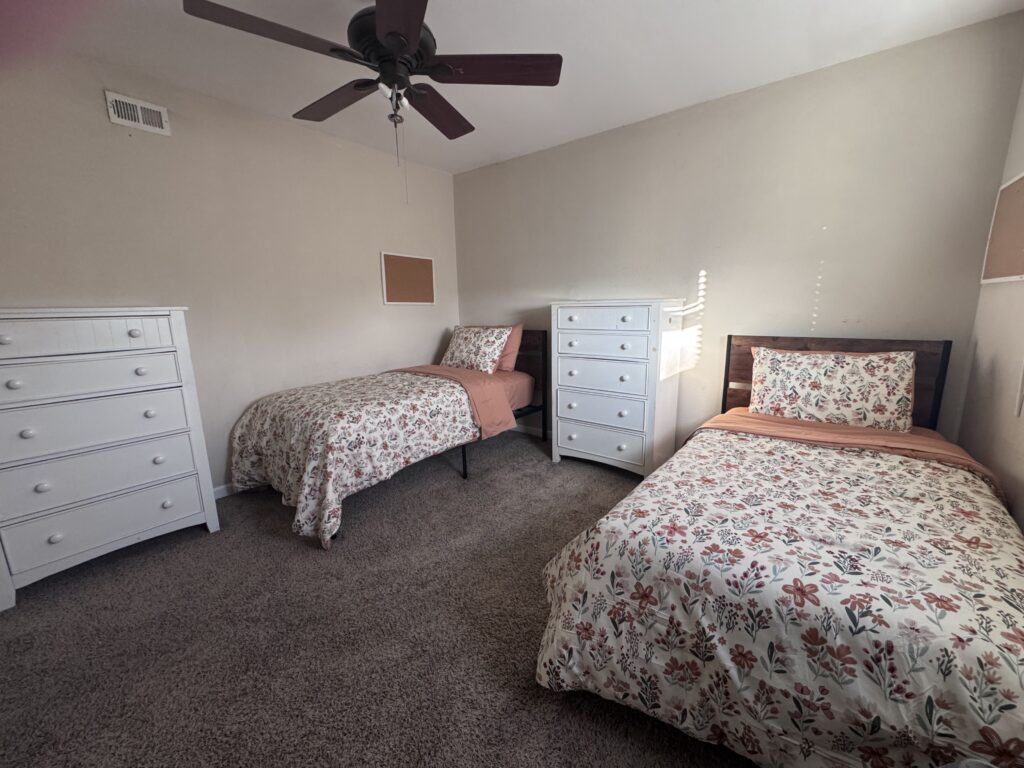

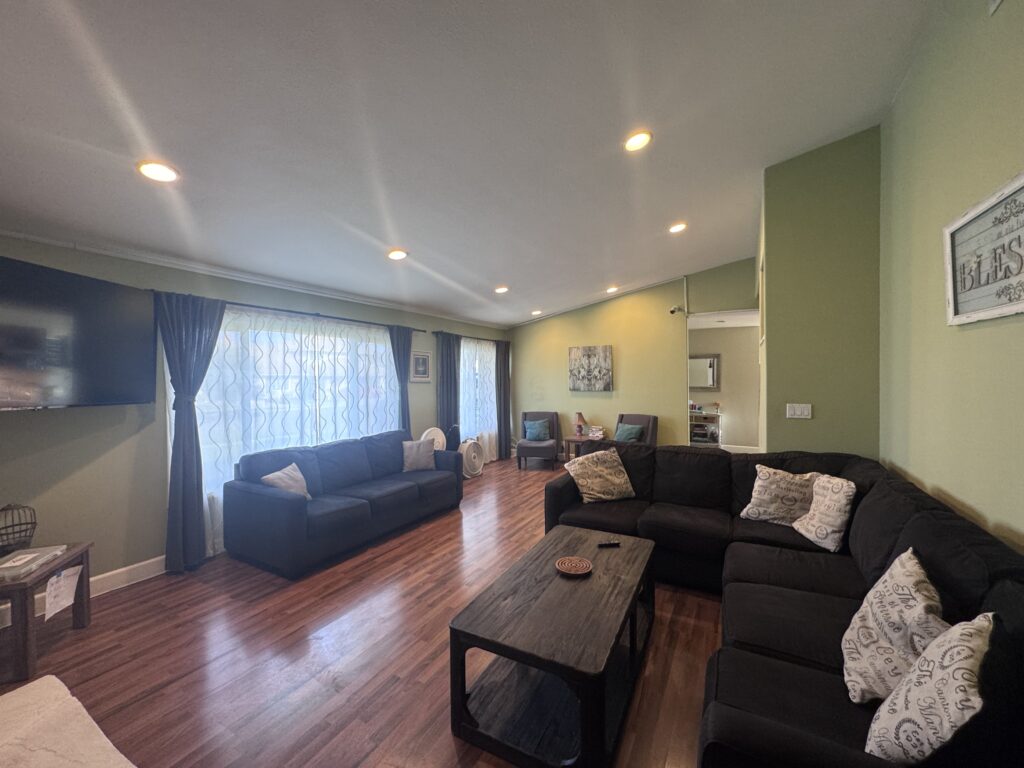
Our La Roca location serves as a women’s sober living home in a quiet Fountain Valley neighborhood, just two miles from Huntington Beach. This spacious property features a unique tri-level floor plan with 5 bedrooms, 2.5 bathrooms, large living and dining areas, granite countertops, wood floors, and modern amenities including a jacuzzi, backyard barbecue area, and WiFi throughout.
The home provides all essentials including coffee, laundry supplies, paper products, and cleaning materials. Each bedroom includes two beds with portable AC units, and residents have access to computers and printers for job searching and resume building. La Roca offers women a supportive environment where they can connect with peers, build accountability, and establish healthy routines essential for long-term recovery.
Los Reyes (Men’s Sober Living) – Fountain Valley
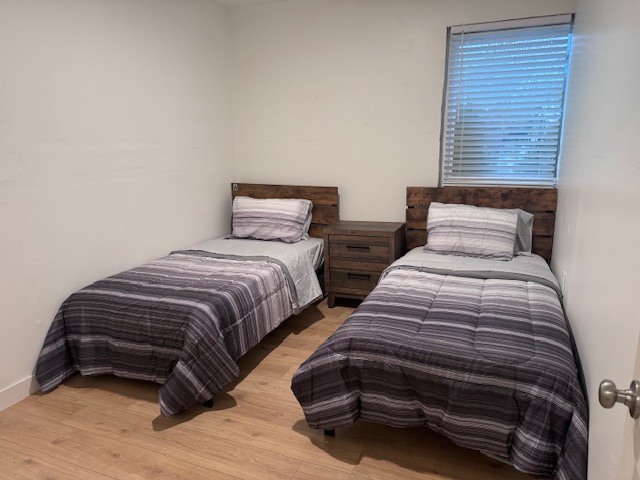
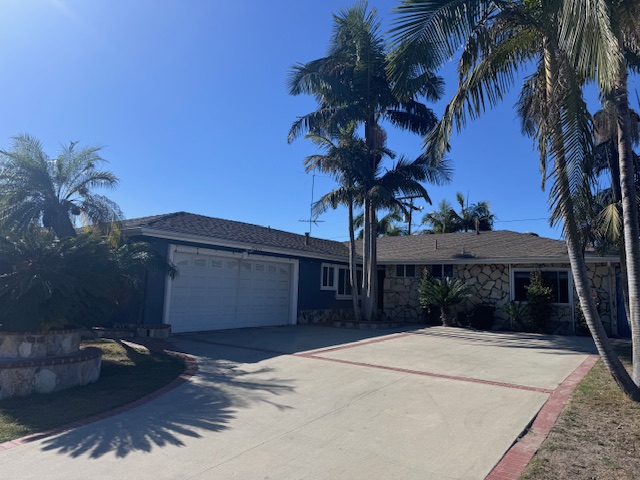
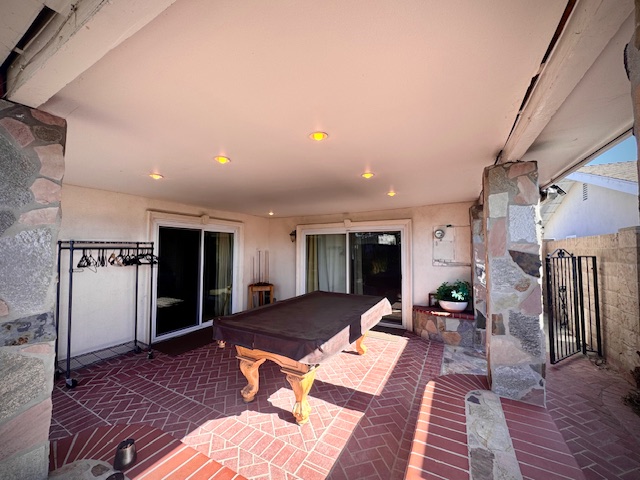
Our Los Reyes men’s sober living home in Fountain Valley provides a one-story, 7-bedroom residence designed for comfort and community. Located near Mile Square Park, David L. Baker Golf Course, and local shopping, the home offers easy access to employment opportunities, public transportation, and recovery meeting venues throughout Orange County.
The property includes three bathrooms, granite countertops, three refrigerators, washer/dryer, large backyard with barbecue, WiFi throughout, and a computer with printer for professional development. Each bedroom accommodates two residents with ample closet space and large dressers. The communal living room features a flat-screen TV for shared entertainment and connection.
Caltech Circle (Men’s Sober Living) – Westminster
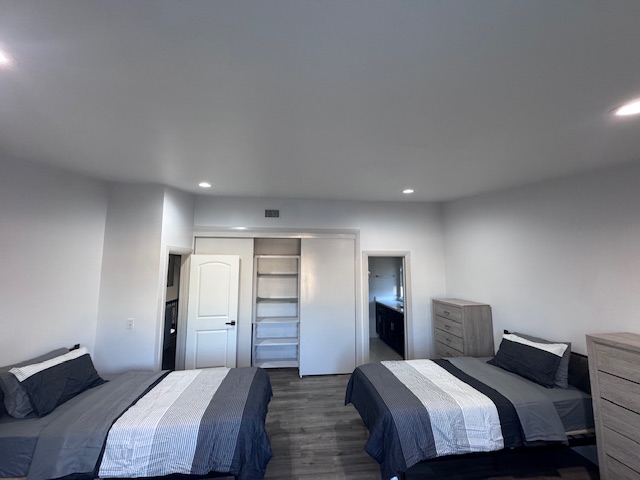
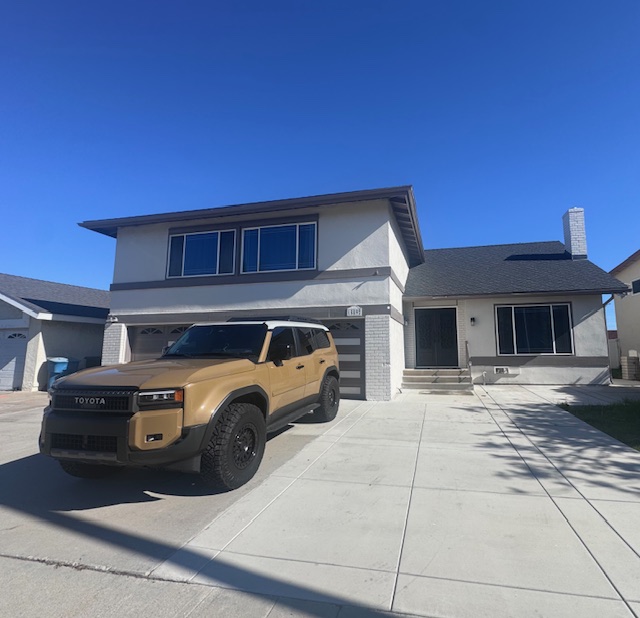
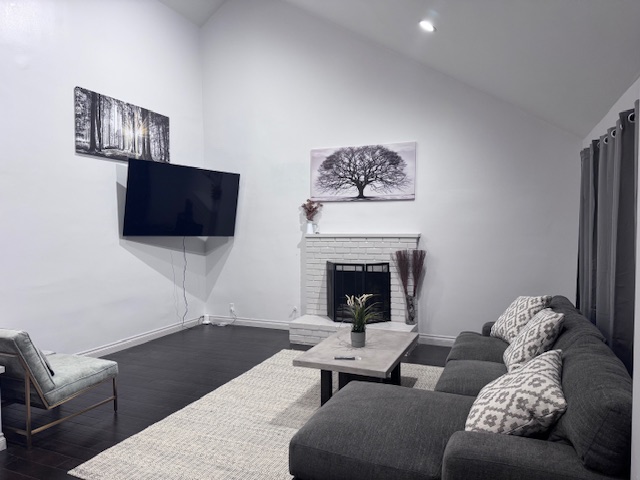
Our Westminster men’s sober living home at Caltech Circle features central air conditioning throughout, five spacious bedrooms including two private master bedrooms, four full bathrooms, and a seventy-five-inch flat-screen TV in the living room. The property is located across from a public park and within walking distance of Bella Terra shopping center, providing access to restaurants, coffee shops, retail stores, and employment opportunities.
The home includes modern amenities such as granite countertops, wood flooring, high-speed WiFi, computer and printer access, and a comfortable backyard space with barbecue grill and shaded patio dining area. All household essentials are provided, allowing residents to focus entirely on their recovery journey.
Structure and Accountability That Supports Recovery
All Higher Purpose Recovery sober living homes maintain consistent structure and accountability measures proven to support long-term sobriety. These include weekly mandatory house meetings every Sunday morning where residents share experiences and address community concerns, daily breathalyzer testing each evening to ensure a sober environment, random urine analysis testing to maintain program integrity, weekly chore responsibilities that build life skills and community investment, and established curfews (11 PM Sunday-Thursday with lights out at 11:30 PM, midnight Friday-Saturday with lights out at 12:30 AM).
This structure isn’t punitive—it’s supportive. Many LGBTQ individuals entering recovery have experienced chaos, instability, or lack of healthy boundaries in their lives. Our sober living homes provide the predictability and accountability that help residents rebuild trust in themselves and establish positive routines that support lasting sobriety.
Community and Connection in LGBTQ Recovery
One of the most powerful aspects of sober living is the community itself. At Higher Purpose Recovery, residents don’t just share a house—they build genuine connections, support each other through challenges, and celebrate victories together. Our LGBTQ-affirming environment allows residents to be fully themselves while connecting with peers who understand the unique aspects of their recovery journey.
Residents frequently attend 12-step meetings together, participate in local recovery events, enjoy Orange County’s beaches and outdoor activities, support each other through difficult family dynamics, and celebrate milestones and personal growth. This sense of belonging and community combats the isolation that many LGBTQ individuals have experienced, replacing it with healthy connection and mutual support.
For LGBTQ residents, having an affirming peer community can be especially transformative. Research from the Williams Institute at UCLA shows that LGBTQ individuals with strong social support networks have significantly better mental health outcomes and higher rates of sustained recovery. Our sober living homes intentionally cultivate these supportive connections.
Integration with Virtual IOP and Mental Health Treatment
Many residents at our Orange County sober living homes participate concurrently in our Virtual Intensive Outpatient Program, creating a comprehensive continuum of care that addresses both immediate sobriety needs and underlying mental health concerns. This integrated approach is particularly beneficial for LGBTQ individuals who may be managing co-occurring disorders such as anxiety, depression, or PTSD.
Our Virtual IOP offers LGBTQ-affirming therapy that addresses minority stress and discrimination trauma, gender identity exploration and support, family dynamics and chosen family development, relationship and intimacy challenges, and co-occurring mental health disorders. By combining structured sober living with specialized clinical treatment, residents receive comprehensive support that addresses the whole person—not just addiction, but the complex factors that contribute to substance use.
Virtual programming also provides flexibility for residents who are working or pursuing education, allowing them to maintain employment or schooling while receiving intensive therapeutic support. This flexibility can be especially valuable for LGBTQ individuals who may face employment discrimination or need to maintain independence during recovery.
Life Skills and Reintegration Support
Beyond sobriety maintenance, Higher Purpose Recovery’s sober living homes help residents develop practical life skills essential for successful reintegration into independent living. Each home provides resources for job searching and resume building through on-site computers and printers, guidance on interviewing and professional development, support for returning to school or vocational training, budgeting and financial management skills, healthy relationship building, and time management and daily routine establishment.
LGBTQ individuals may face additional barriers when reentering the workforce or community, from employment discrimination to lack of family financial support. Our staff works closely with residents to navigate these challenges and connect them with LGBTQ-friendly employers, housing resources, and community support organizations throughout Orange County.
Orange County offers a vibrant LGBTQ community with resources including The LGBTQ Center OC in Santa Ana, LGBTQ-affirming 12-step meetings throughout the county, Pride events and community gatherings, supportive healthcare providers and therapists, and inclusive faith communities and social organizations. Our team helps residents connect with these resources, building a robust support network that extends beyond their time in sober living.
Insurance and Admissions Process
Higher Purpose Recovery accepts various insurance plans including Cigna, Aetna, Anthem Blue Cross, Blue Shield of California, TRICARE, and Magellan Health. Our admissions team can verify your coverage and explain any out-of-pocket costs associated with sober living and our Virtual IOP program.
To begin the admissions process, contact our team at (949) 844-3813 or email wren@hproutpatient.com to discuss your needs and verify insurance coverage. We’ll conduct a brief assessment to ensure our program is the right fit, coordinate move-in dates and logistics, and provide orientation to house rules, expectations, and community norms.
We understand that entering sober living can feel overwhelming, especially for LGBTQ individuals who may have experienced rejection or discrimination in treatment settings before. Our admissions team is committed to making the transition as smooth and welcoming as possible, answering all questions and addressing any concerns you may have about our affirming approach.
Why Orange County for LGBTQ Sober Living
Orange County provides an ideal setting for LGBTQ individuals in recovery. The area offers year-round pleasant weather conducive to outdoor activities and wellness, proximity to beaches and recreational opportunities that support healthy lifestyles, a growing LGBTQ community with supportive resources and events, access to LGBTQ-affirming healthcare and therapy providers, diverse employment opportunities across multiple industries, and strong recovery communities with numerous meeting options.
Our Fountain Valley and Westminster locations specifically offer quiet, residential neighborhoods that provide peace and stability while remaining close to the resources and opportunities of greater Orange County. Residents can easily access employment, education, healthcare, and community activities while maintaining the structured, supportive environment essential for early recovery.
Taking the First Step Toward Affirming Recovery
Choosing LGBTQ-affirming sober living is an investment in your whole self—not just your sobriety, but your dignity, authenticity, and future. At Higher Purpose Recovery, we believe every person deserves to recover in an environment where they’re celebrated for who they are, not in spite of it.
If you’re seeking LGBTQ sober living in Orange County that combines structure, support, and genuine affirmation, we’re here to help. Our homes provide more than just a safe place to stay—they offer community, accountability, and the foundation you need to build a fulfilling life in recovery.
Recovery is possible. You deserve support that honors your full identity. Contact Higher Purpose Recovery today at (949) 844-3813 or email wren@hproutpatient.com to learn more about our LGBTQ-affirming sober living options in Orange County.
Your journey to recovery deserves a higher purpose.
Frequently Asked Questions About LGBTQ Sober Living in Orange County
Is Higher Purpose Recovery’s sober living only for LGBTQ individuals?
No, our sober living homes welcome all individuals in recovery regardless of sexual orientation or gender identity. However, we maintain a strictly LGBTQ-affirming environment where all residents are expected to treat each other with respect and dignity. We have zero tolerance for discrimination, homophobia, or transphobia of any kind.
Do you have gender-specific housing or gender-inclusive options?
Currently, our La Roca location is designated for women, while Los Reyes and Caltech Circle serve men. We recognize that traditional gender-based housing may not meet the needs of all transgender and non-binary individuals. We encourage you to contact our admissions team to discuss your specific needs and explore options that ensure your comfort and safety.
How long do residents typically stay in sober living?
Length of stay varies based on individual needs and recovery progress. Most residents stay between 3-6 months, though some remain longer as they establish stability in their sobriety and life circumstances. Our team works with each resident to determine an appropriate timeline based on their recovery goals and readiness for independent living.
Can I participate in your Virtual IOP while living in your sober living homes?
Absolutely. Many residents combine sober living with our Virtual Intensive Outpatient Program for comprehensive treatment. Our Virtual IOP includes LGBTQ-affirming therapy and can be completed from the comfort of your sober living residence, providing seamless integration between housing and clinical treatment.
What if I’ve experienced discrimination in treatment before?
We understand that many LGBTQ individuals have had negative experiences in treatment settings. Our team is specifically trained in LGBTQ cultural competency and trauma-informed care. We’re committed to creating a genuinely safe environment where past discrimination isn’t repeated. If you have specific concerns based on previous experiences, please discuss them with our admissions team so we can address them proactively.
Do you help with finding LGBTQ-friendly employment and community resources?
Yes. Our staff can connect you with LGBTQ-friendly employers in Orange County, local LGBTQ community organizations and resources, LGBTQ-affirming 12-step meetings and support groups, and inclusive healthcare providers and therapists. We recognize that building a supportive community beyond our sober living homes is essential for long-term success.
How do you handle mental health needs alongside addiction recovery?
Mental health support is integrated into our programming. Residents can participate in our trauma-informed Virtual IOP which addresses co-occurring disorders such as anxiety, depression, and PTSD. We take a holistic approach that recognizes the interconnection between substance use and mental health, particularly the impact of minority stress and discrimination trauma on LGBTQ individuals.
What insurance do you accept?
We accept Cigna, Aetna, Anthem Blue Cross, Blue Shield of California, TRICARE, and Magellan Health. Contact our admissions team at (949) 844-3813 to verify your specific coverage and discuss any out-of-pocket costs. We can also provide information about insurance and coverage options for our services.
References and Resources
- Substance Abuse and Mental Health Services Administration. (2023). “Behavioral Health Treatments and Services for LGBTQ Adults.” SAMHSA Publication. https://www.samhsa.gov/
- National Institute on Drug Abuse. (2024). “Substance Use and SUDs in LGBTQ Populations.” NIDA Research Report. https://nida.nih.gov/
- The Trevor Project. (2024). “National Survey on LGBTQ Youth Mental Health.” https://www.thetrevorproject.org/
- Williams Institute, UCLA School of Law. (2023). “LGBTQ Mental Health and Substance Use Disparities.” https://williamsinstitute.law.ucla.edu/
- Centers for Disease Control and Prevention. (2024). “LGBTQ Health.” CDC Health Topics. https://www.cdc.gov/lgbthealth/
- National Alliance on Mental Illness. (2024). “LGBTQ Mental Health Support.” NAMI Resources. https://www.nami.org/